


10 Smart Companion Plants for Peppers That Can Help Naturally Boost Your Harvest
Increase your harvest and keep destructive pests away with these companion plants for peppers.
Published on February 20, 2026
Blaine Moats
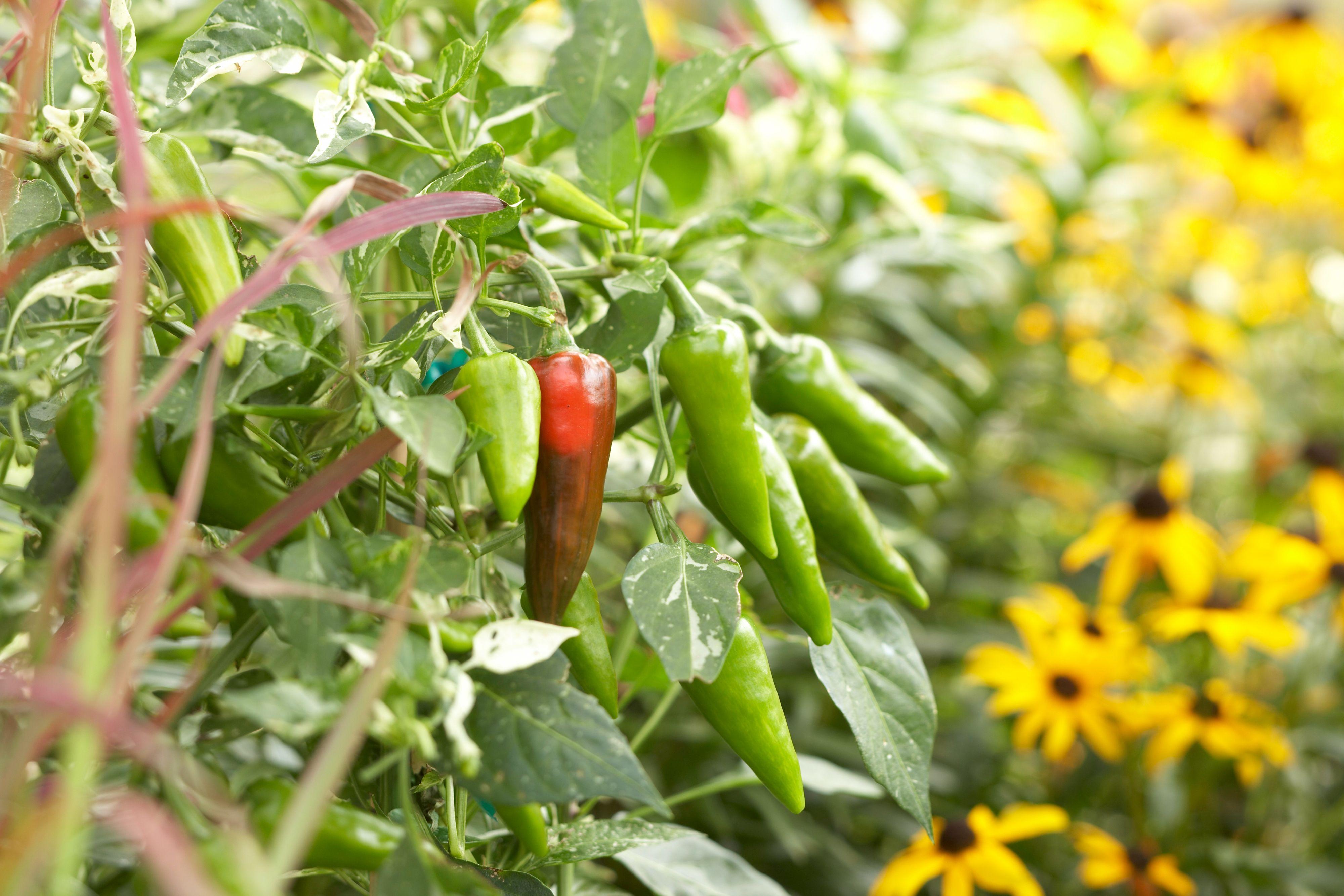
Just like for other garden crops, companion planting benefits peppers, both bell peppers and hot peppers. With the right neighbors, plants grow healthier, thanks to fewer disease and pest issues. Natural predators keep pests under control, and the aromatic plants repel pests organically.
With the increasing popularity of companion planting, there are more and more scientific studies that back up recommendations for the best tried-and-true companion plant pairs. Use this guide to find the best companion plants for any kind of peppers you plant, whether it's in your garden, raised beds, or containers.
Allium
Aphids are some of the most common pepper pests, causing distorted and yellow leaves when they feed on plant sap. Luckily, chives, onions, leeks, and other alliums naturally repel aphids and other problem insects and make good companion plants for peppers. Even better, if you allow your chive plants to bloom, their cheery purple flowers will attract pollinators to increase your pepper harvest.
Basil
Basil is well-known for being an excellent companion for tomatoes, but it also works well for peppers. Its strong scent helps basil to repel a wide variety of common pests, including thrips. In turn, the taller pepper plants offer some afternoon shade to nearby basil, helping to shield the herb’s tender leaves from too much sun.
Beans and Peas
Bob Stefko
With the help of certain bacteria, beans, peas, and other legumes have the ability to naturally add nitrogen to the soil and improve soil health overall. Beans and peas planted as companion plants for peppers can give your plants a nutrient boost and promote more vigorous growth. To keep your legumes from overwhelming your pepper plants, try building some cattle panel trellising or opt for bush-type beans and peas, which stay more compact.
Related
Bok Choy
Pepper plants are often targeted by flea beetles, which will chew holes in plant leaves and may transmit bacterial wilt. To avoid this, plant bok choy near your pepper plants to act as a “trap crop.” Flea beetles and other pests prefer bok choy leaves and will naturally congregate on these plants, helping to keep your peppers pest-free.
Cilantro
Growing cilantro as a companion plant for peppers isn’t just good for homemade salsas. It’s also one of the best choices for organic pest control. Cilantro flowers attract all kinds of beneficial insects, such as parasitic wasps, lacewings, and ladybugs. These insects feed on aphids and other common pepper pests.
Cucumbers and Squash
Cucumbers and squash plants pair well with peppers because their low growth habit shields the soil from direct sun, prevents weeds, and keeps your soil from drying out too quickly. If you choose to grow cucumbers as groundcovers without trellising, add organic mulch around your plants, which will keep your cucumbers from touching bare soil, which can promote rot.
Hot Cherry Peppers
dial-a-view / Getty Images
Hot cherry peppers are some of the best companion plants for bell peppers you can grow. Bell peppers are vulnerable to pepper maggots, which bore holes into developing fruit and cause it to rot on the plant. However, research has shown that these pests prefer hot cherry peppers to other pepper varieties. Planting cherry peppers as trap crops often works as a trick to keep the rest of your peppers safe.
Lettuce
Kindra Clineff
Lettuce is an undemanding, fast-growing, cool-season vegetable that can be added in between a few pepper plants. Interplanting lettuce or other leafy greens among your peppers will put empty soil to good use. Additionally, peppers can offer a bit of afternoon shade to your lettuce plants, slowing down bolting and prolonging harvest.
Root Vegetables
Bob Stefko
Carrots, beets, radishes, and other root vegetables grow low to the ground, so you won’t need to worry about them competing with your pepper plants for sunlight. But interplanting root vegetables among your pepper plants is also a smart way to get the most out of your garden space. While waiting for your peppers to mature, sow fast-growing root vegetables such as radishes around your pepper plants and harvest them in just a few weeks.
Sunflowers
Their big flower heads make sunflowers especially alluring to bees and other pollinators. Increasing pollinator activity near your pepper plants will boost pollination rates and lead to a better pepper crop. If you’re working with a small garden space, but still want to try companion planting with sunflowers, look for dwarf varieties that stay much more compact.
Companion Plants to Grow Together
Most vegetables benefit from companion planting. Here are some other examples:
- Next to zucchini, plant dill to attract pollinators and parasitic wasps that will keep squash vine borers under control.
- Cabbage and celery grow well together because they have the same soil and watering needs, and celery's aroma keeps away destructive cabbage loopers.
- Grow radishes near your pumpkin plants to keep flea beetles away since these pests prefer radishes for snacks.
- Next to potatoes, plant nasturtium for its pretty flowers and trap crop abilities (and nasturtium flowers are edible).
Better Homes & Gardens is committed to using high-quality, reputable sources—including peer-reviewed studies—to support the facts in our articles. Read about our editorial policies and standards to learn more about how we fact check our content for accuracy.
"Garlic Chives." University of Illinois-Chicago Heritage Garden.
"Basil." University of Illinois-Chicago Heritage Garden.
"When Pepper Maggots Invade Your Farm." University of Connecticut College of Agriculture, Health and Natural Resources-Integrated Pest Management.

 Arabic
 French
 Spanish
 Portuguese
 Deutsch
 Turkish
 Dutch
Dutch
 Italiano
 Russian
 Romaian
 Portuguese (Brazil)
 Greek
Greek