


Denysgalushka/Getty Images
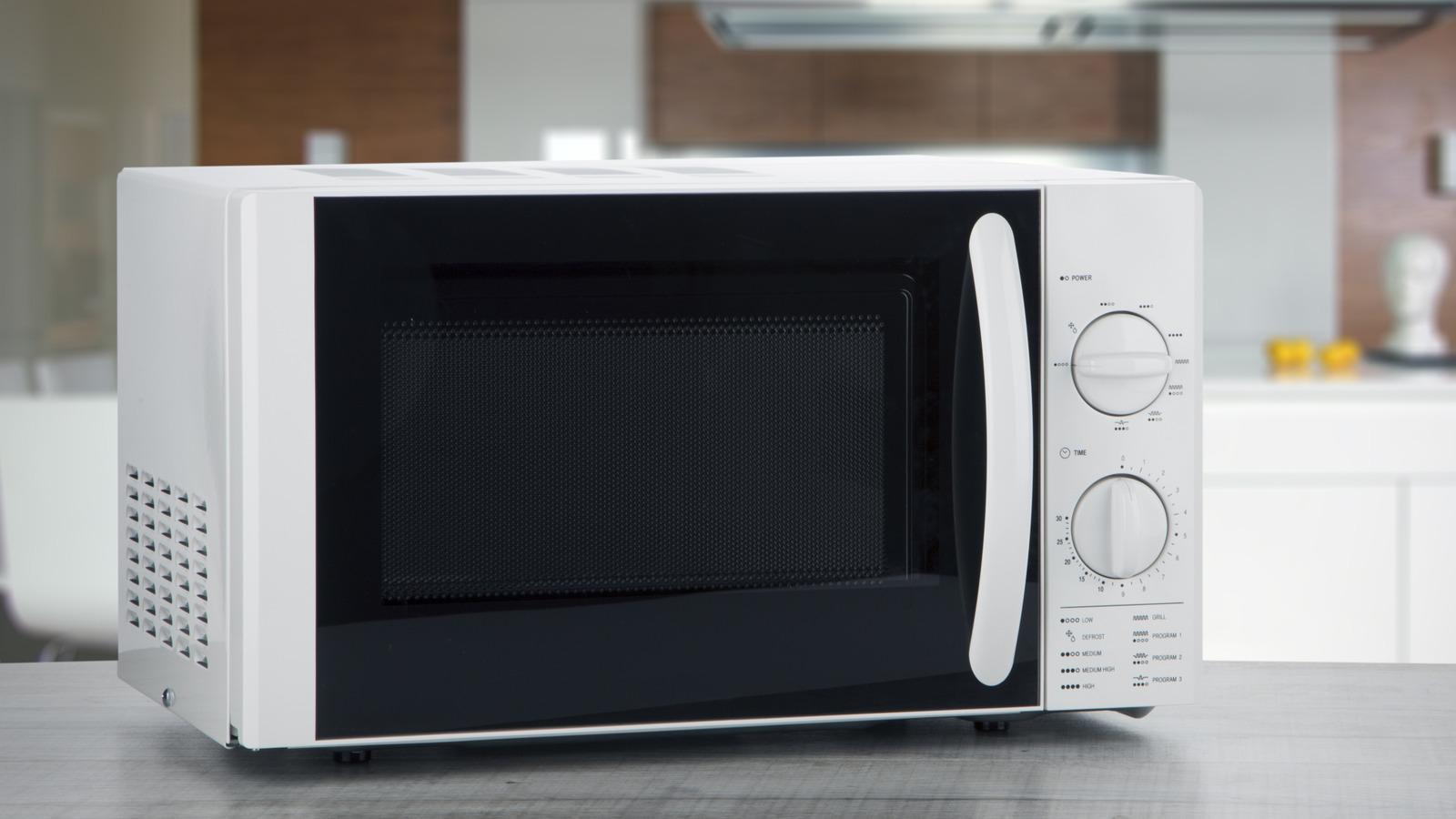
Since the 1970s, the humble microwave has been found in just about any kitchen. Their use can be applied both at home and commercially, with its fans singing their praises. Its supporters believe them to be miracle machines that can expedite the cooking process, at times being a potential replacement for its convection oven kitchen sibling.
However, just like many other culinary conversations, some disagree. Many view the microwave as a potential health risk and outdated, especially given the availability of convection and toaster ovens, as well as air fryers. Certainly, there are valid concerns on either end of this conversation, but where do the facts actually lie?
Those in favor of microwaves think of them as a kitchen essential, as over 90% of American homes have one. They're easy to use at just the touch of a button, and their compact size makes them easy to fit in just about any kitchen. Additionally, their ability to quickly cook and reheat food prevents them from being an energy guzzler, especially since they don't require pre-heating and tend to turn off on their own. Not to mention, depending on the unit, newer microwaves come with many preset times and temperatures to simplify the heating process. Over on Reddit, some users have admitted that the microwave was their main source for heating single-serve meals like ramen in college, and they enjoy the benefit of reheating food without making their dwelling warmer.
Some view microwaves as a lesser option and outdated
Romanda Romanda/Shutterstock
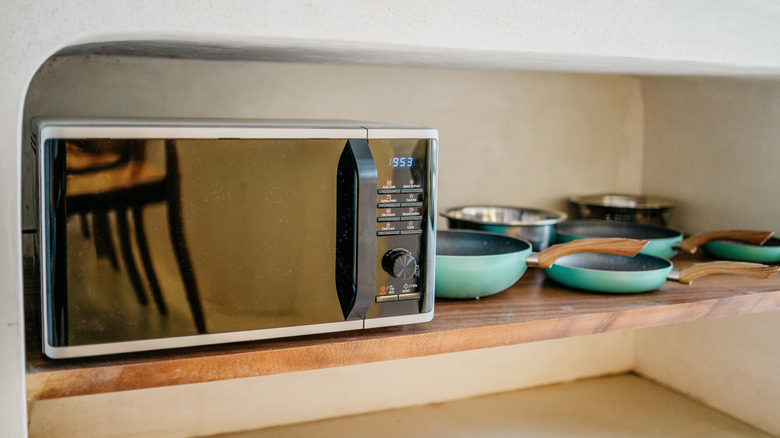
Of course, there's always the other side of the conversation to consider. Some see microwaves as an inferior option, believing, at the very least, that they could ruin your food. For instance, though the outer portions of a dish may be heated, the center can still be cold. As well, depending on the amount of water in a given food, it can become soggy or dry and tasteless when reheated in the microwave.
To that, although higher-end microwaves have incorporated smart technology like moisture sensors and precision heating, alternatives like air fryers and convection ovens may render them obsolete. Certainly, using them may take a little longer, but this comes with the reward of reheating and cooking larger portions of food while maintaining the desired flavor profile. Due to how they cook, these alternatives also come with the potential benefit of cooking crispy meals with minimal oil.
Certainly, the microwave still has a place in the kitchen. It's a great option for those who value time, as it's a constant winner in that regard. Along with the aforementioned benefits, microwaves can hack meals by expediting the cooking time with just a quick button press. That said, there have been many advancements in appliance technology since the advent of microwaves, which can achieve the intended goal with better results. Like many things in the culinary conversation, the microwave's relevance depends on the individual, as both sides have their merits, and it remains a matter of opinion.

 English
 Arabic
 French
 Spanish
 Portuguese
 Deutsch
 Dutch
Dutch
 Italiano
 Russian
 Romaian
 Portuguese (Brazil)
 Greek
Greek