


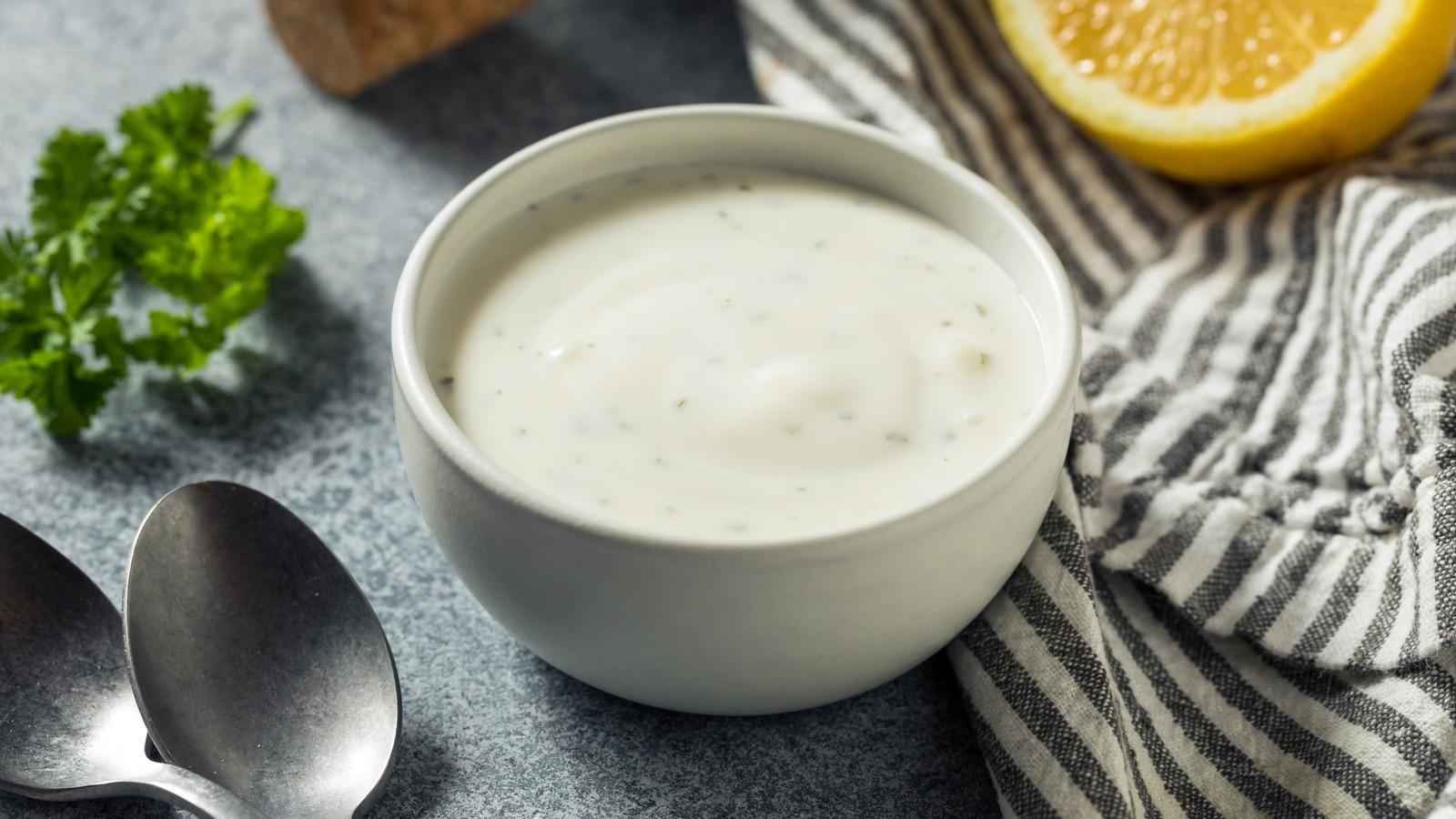
Bhofack2/Getty Images
Creamy, slightly herbaceous, and with the perfect amount of tanginess: Ranch dressing is a beloved and versatile condiment. Some may even consider it a gift from the culinary gods, but a mere mortal named Steven Henson claimed to have developed the recipe while working as a plumbing contractor in Anchorage, Alaska. Henson said the dressing was intended to keep hangry work crews fully satisfied with the menu. He brought the recipe with him when he later relocated to California and purchased land that would eventually become known as Hidden Valley Ranch. The rest is condiment history. Unfortunately, that history hasn't been all buttermilk and full bellies. Per the years, companies have produced faulty batches of this product that weren't safe to consume.
Though produce and meat are common causes of foodborne illness, ranch dressing has also been subject to some recalls in the U.S. From plastic contamination to undeclared allergens, our research uncovered a few brands and distributors that found themselves in hot water for ranch-based mishaps. These recalls weren't necessarily widespread or exceedingly harmful, but they illustrate why companies must be proactive when issues arise.
Foreign object contamination in Hidden Valley Ranch
PJ McDonnell/Shutterstock
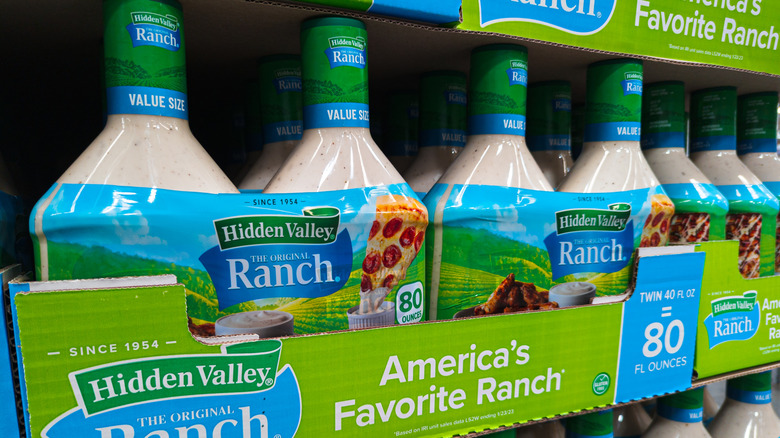
In November 2025, a company called Ventura Foods enacted a voluntary recall after plastic material was discovered in assorted dressings. In addition to Hidden Valley Buttermilk Ranch, Pepper Mill Creamy Caesar Dressing, and Ventura Caesar Dressing were also included in the recall. The contaminated products were distributed to 27 states, as well as Costa Rica. The incident impacted multiple dressing brands and involved 3,500 cases of product, which were distributed in 1-gallon containers for use in food service environments. For example, some were distributed to Costco delis and food courts.
The FDA characterized the foreign objects as "black plastic planting material" (as reported by The Guardian). The original FDA report is no longer available, and it's not clear if the exact substance was ever determined or if the agency was able to pinpoint the cause of contamination. However, foreign object contamination is not uncommon when it comes to recalls, and materials can make their way into foods due to faulty equipment and devices used during the manufacturing process. Ultimately, this recall was designated as a Class II by the FDA, which is associated with a low chance of serious illness or injury.
Poor conditions lead to multi-state recall involving Wishbone Ranch Dressing
Brent Hofacker/Shutterstock
Undeclared allergens and food contamination are two incredibly common reasons for recalls. However, food recalls can also spring from more unsettling reasons, such as the presence of lead or glass in products. Knowing that food could be potentially contaminated by animal waste is equally disturbing, and that's the fear some consumers faced in late 2025. A company called Gold Star Distribution initiated a multi-product recall stemming from unsanitary conditions at its distribution center. According to the recall announcement, concerns about bacterial contamination were coupled with "products contaminated with filth, rodent excreta, and rodent urine."
Potentially contaminated products were distributed to more than 50 retail locations in three states, including Indiana, Minnesota, and North Dakota. Wishbone Ranch Dressing was among the recalled items, but candy, cooking oils, snack foods, peanut butter, rice, dietary supplements, over-the-counter medications, beverages, and numerous other products were also implicated. Along with the other health risks posed by these contaminated items, exposure to rodent waste can lead to leptospirosis, a bacterial infection linked to symptoms like jaundice and high fever, as well as more severe effects like chest pain and problems breathing. Fortunately, there were no reports of illnesses linked to this recall.
Military commissaries recall ranch dressing due to swollen bottles
Stephaniefrey/Getty Images
For active and retired members of the military and their loved ones, The Defense Commissary Agency provides groceries and household essentials within special stores situated all over the world. Along with offering a convenient shopping experience, these establishments can also provide savings to eligible shoppers. And while one might expect higher levels of order and oversight from a retail location associated with the U.S. military, that's not necessarily the case.
The Defense Commissary Agency enacted a ranch dressing recall in 2021 after concerns about spoilage arose. According to the recall notice issued by The Defense Commissary Agency, select bottles of Freedom's Choice Ranch Dressing were recalled due to bloating, which can be an indication of bacterial contamination within food. Along with the regular dressing, Freedom's Choice Lite Ranch and Buttermilk dressings were also included in the recall. It's not clear whether any bouts of illness resulted from this incident or what caused the bottles to become bloated. In general, bloating or swelling occurs thanks to the proliferation of bacteria, which produce gases that can affect packaging.
Vegetable tray with ranch dip recalled over undeclared allergen
Marshall-andrew Lee/Getty Images
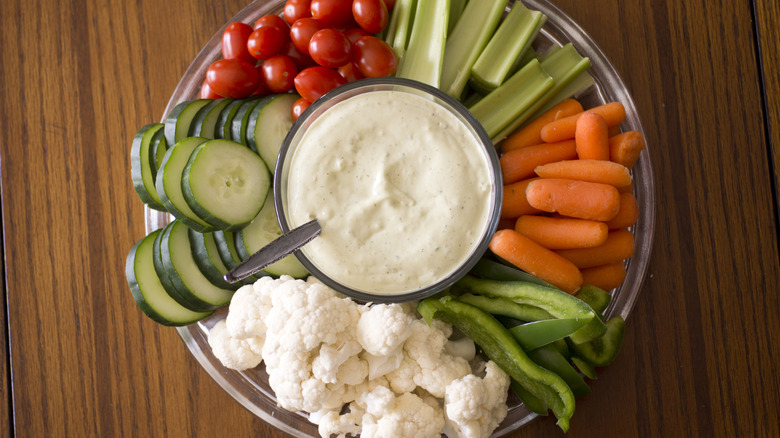
It's a fact that ranch dressing pairs tastily with a wide range of foods, including chicken nuggets, potato skins, chicken wings, and more. If you want a more wholesome conveyance for ranch, a vegetable tray is the perfect option. And if you can score a ready-made tray, even better! Unless, of course, you purchased the Party Tray Vegetables with Ranch Dip from SE Grocers back in 2020 and happened to have an egg allergy. This food recall didn't result from bacteria, foreign objects, or rodent exposure. Instead, a simple labeling error resulted in an incident that affected multiple retail locations throughout Florida.
According to the FDA's recall notice, a label for another product (Apple & Cheese with Caramel Dip) was applied to the veggie tray. As such, the party tray lacked the necessary allergen disclosures and prevented allergic consumers from making safe shopping decisions. Consider that eggs are one of the big nine allergens most likely to cause food allergies. Other major allergens include milk, soybeans, fish, wheat, shellfish, peanuts, tree nuts, and sesame (which was added to the big nine list in 2021). The mislabeled products were sold at Harvey's, Winn Dixie, and Fresco y Mas in Florida, and luckily, there were no reported allergic reactions related to the issue.
Undeclared eggs lead to recall of Litehouse Ranch

Brent Hofacker/Shutterstock
In 2017, a company called Litehouse Ranch also experienced an issue with undeclared egg in its food packaging. The FDA recall announcement centered on the company's Opa brand of yogurt-based ranch dressing, which included 742 cases of product. Investigations found that a problem with product labeling resulted in eggs missing from the list of ingredients. The issue took place over the course of a single day and impacted only one manufacturing location. Despite the error, there were no reports of adverse reactions related to the labeling issue.
Food allergies can cause many health effects, ranging from mild to life-threatening. Mild symptoms include breaking out in hives, itchiness, and facial swelling. Allergic reactions can also progress to anaphylaxis, which can significantly restrict breathing and requires immediate medical attention as a result. While scientists may be one step closer to allergen-free eggs, we're not quite there yet. Until then, consumers will need to check food labels carefully and stay abreast of the latest FDA recalls.

 English
 Arabic
 French
 Spanish
 Portuguese
 Turkish
 Dutch
Dutch
 Italiano
 Russian
 Romaian
 Portuguese (Brazil)
 Greek
Greek