


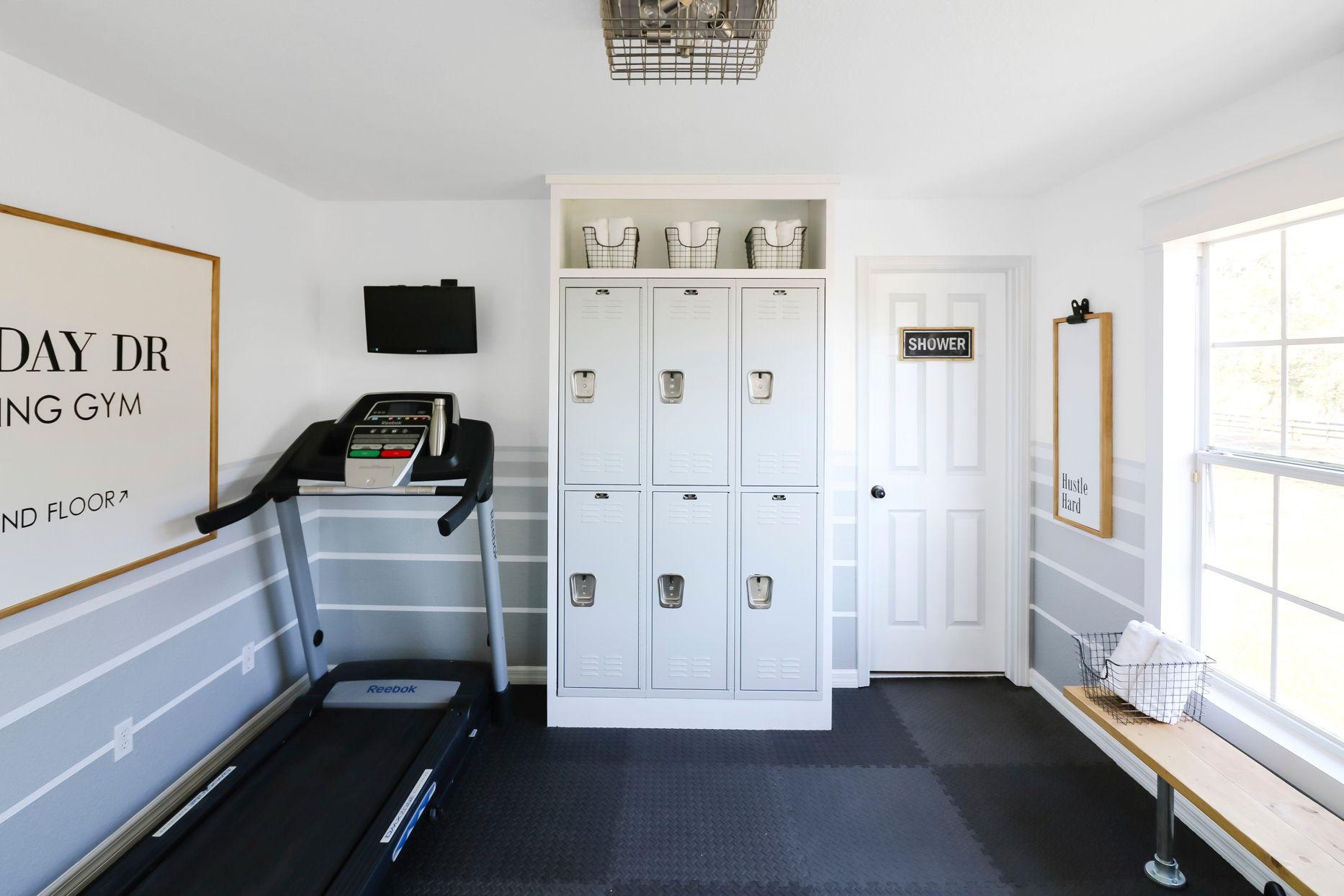
As home gyms have become increasingly popular, rubber gym mats have become a must-have flooring solution. But there could be something dark hiding underneath: mold. Rubber mats are dense and nonporous, and when they sit directly on concrete slabs, especially in basements and garages, moisture has nowhere to go.
Concrete naturally wicks moisture from the ground, and temperature differences can cause condensation. Add sweat from workouts or humidity in the air, and you’ve created a damp, dark environment where mold can quietly grow underneath the mat, completely out of sight. Read on to learn how to look for mold in your home gym and what to do about it.
Where and How Mold Grows
Basements, garages, and slab-on-grade rooms are high-risk areas for mold. They often have limited airflow and higher humidity, making mold growth more likely. It’s a good idea for anyone with home gym flooring to periodically lift or fully remove mats and check underneath, even if there’s no musty smell yet.
Mold under gym mats rarely shows up on the surface right away, and many homeowners assume a musty smell is just part of a basement or garage. Meanwhile, the mold can slowly spread across the concrete, feed on dust and organic debris, and potentially affect air quality in the space. What started as a simple home fitness upgrade can quietly turn into a maintenance and health concern.
Related
What to Do If You Find Mold
If you find a small amount of surface mold, you might be able to clean it. Nonporous rubber mats can sometimes be scrubbed with a mold-killing cleaner (like diluted vinegar or hydrogen peroxide), thoroughly dried, and reused. Leave the mats out in the sun for several hours to dry. However, if the mold smell persists, the growth is extensive, or the mat has absorbed moisture for a long time, it’s often safer to throw it away, as mold can be deeper than what you can physically see.
If the moldy area is widespread, the mat has a strong or persistent musty odor, or it has been sitting on damp concrete for an extended period, it's always safer to throw it away. Even though rubber is considered nonporous, seams, textured surfaces, and the underside of mats can trap moisture. Mold can take hold in these areas and continue growing below the surface, even after the visible spots are removed.
Another consideration is your health. Reusing a mat that still harbors mold spores can make for poor indoor air quality and trigger allergies or respiratory issues, especially in enclosed spaces like basements. In these cases, replacing the mat might cost less in the long run than dealing with recurring mold problems. Another concern is that the mold under your gym mats might be just a warning sign. The same moisture could be affecting nearby walls, stored items, or flooring. It’s worth checking the surrounding area and addressing humidity at the source.
When in doubt, trust your senses. If a mat still smells musty after cleaning and drying, or if you’re not sure how long the moisture problem existed, throwing them away is usually the best choice to prevent mold from returning or spreading elsewhere in your home.
How to Prevent Future Mold
To prevent future mold growth, focus on moisture control and airflow. One of the most effective steps is using a breathable or moisture-barrier underlayment designed for concrete floors. These underlayments create a small air gap between the slab and your gym mats, allowing moisture to escape instead of trapping it.
Improving ventilation is another factor, especially in basements where air can get stagnant. Adding a fan or upgrading existing ventilation can help keep surfaces dry, and running a dehumidifier consistently can make a significant difference. Aim to keep indoor humidity below 50% to limit mold growth.
Regular maintenance also matters. Even with proper setup, moisture can still seep under gym flooring over time. Occasionally lifting or entirely removing your gym mats allows the concrete to dry out and gives you a chance to spot problems early, before mold becomes a bigger problem.
Finally, pay attention to warning signs like musty odors, condensation, or dampness on nearby walls and floors. Mold thrives on neglect but struggles in well-ventilated, dry spaces. With the right materials and a little attention, you can protect your home gym (and yourself) for the long term.

 English
 French
 Spanish
 Portuguese
 Deutsch
 Turkish
 Dutch
Dutch
 Italiano
 Russian
 Romaian
 Portuguese (Brazil)
 Greek
Greek