


Rostislav_sedlacek/Getty Images
When people say "wine capital of the world," many locations may come to mind, including Napa Valley, Rioja, and Mendoza. However, the location that most agree deserves this title is best known for its bold and hearty reds. Situated along the Garonne River in the Southwest of France, Bordeaux, the leading producer of fine wines, has earned this unofficial global title. Bordeaux is both a city and a wine-growing region with a robust wine culture that dates back over 2,000 years, surviving both droughts and devastating periods of frost.
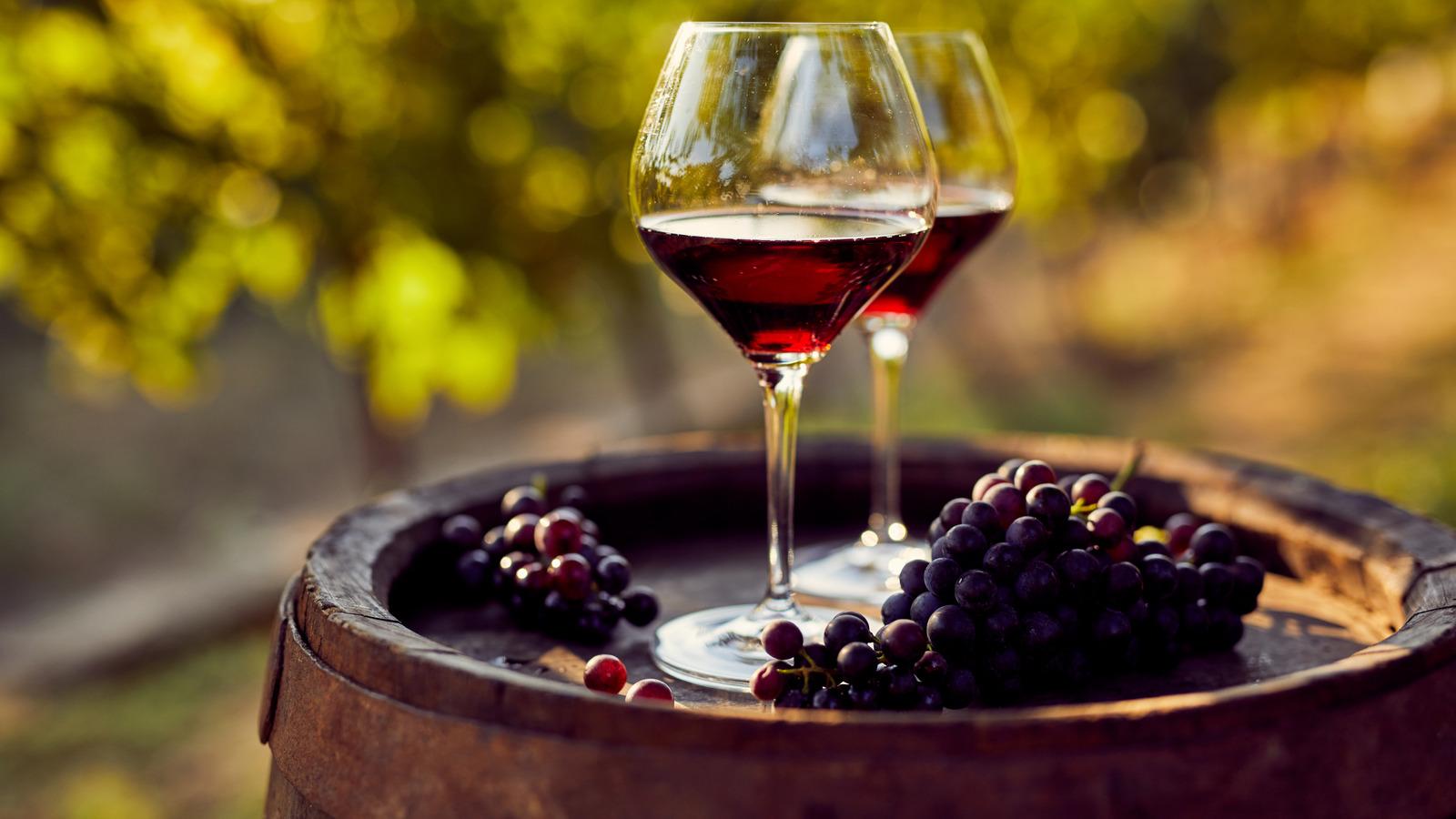
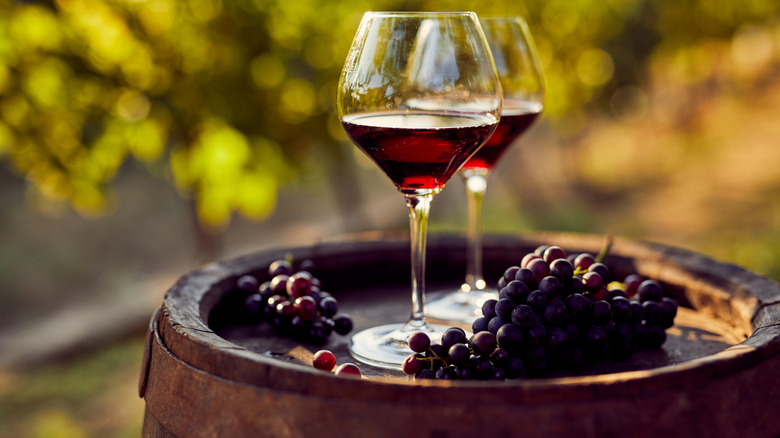
With its rich soil, temperate oceanic climate, and generations of viticulture expertise, Bordeaux has long set the standard in the world of wine. Here, 13,000 growers are based, and 158 million gallons of wine are produced annually. From this massive 247,000-acre wine-growing region come Bordeaux red wines, which are arguably one of the best-known red wines in the world. Bordeaux is not a grape varietal, it's a wine made from grapes grown in the region. Bordeaux red blends are full-bodied and fruit-forward wines typically produced from Cabernet Sauvignon, Cabernet Franc, and Merlot grapes.
There are over 60 appellations, or subregions, in Bordeaux, each with its own terroir and grape varieties. Wines from this region are labeled by their subregion, not the grape varietal. Well-known appellations include Pomerol, Saint-Émilion, Graves, and Pessac-Léognan. The strong red wines of Bordeaux get the most attention, but excellent rosés and whites come from here as well. For example, sweet, white wines are made in Sauternes, while Graves and Pessac-Léognan are known for dry whites.
What it's like to visit Bordeaux, the wine capital of the world
Yujie Chen/Getty Images
For wine lovers, the route des vins, or wine trails, in Bordeaux is a dream come true. The routes run through famous wine-growing subregions of Bordeaux, and can be explored via tours, by car, or even on a bike. You can book a tasting at a famous château in the Médoc, sip crisp white wines in Entre-Deux-Mers, or explore the medieval town of Saint-Émilion. Many estates now offer full experiences like vineyard tours, workshops, spa days, and even picnics among the vines.
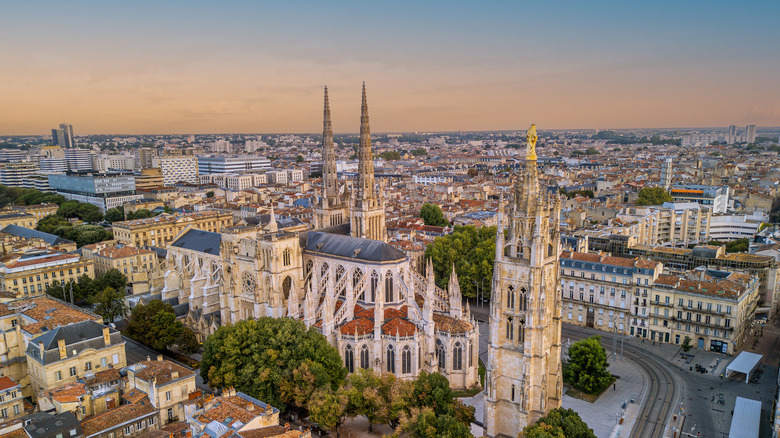
The quality of the wine is part of what earns Bordeaux its crown as the world's wine capital, but the infrastructure and culture of wine-making here are also significant. The area is home to some of the most prestigious wine estates, called châteaux, wine fairs, and world-famous festivals like Vinexpo, and even a wine museum. While it's known for its vineyards, the center of the city itself is a UNESCO World Heritage site with 18th-century architecture, impressive boulevards, and a modern riverfront.
Even if you're not a full-on wine expert, Bordeaux delivers when it comes to food as well. Bistros serve up France's famous steak frites, an abundance of seasonal produce, a regional stew called garbure, and fresh seafood comes from the nearby coast. Bordeaux's famous pastry is the canelé, a baked custard pastry flavored with rum. France produces over 1,200 types of cheese, and in Bordeaux, a must-try is the Tome de Bordeaux, a semi-soft, herbal goat cheese washed in Sauternes wine.

 Arabic
 French
 Spanish
 Portuguese
 Deutsch
 Turkish
 Dutch
Dutch
 Italiano
 Russian
 Romaian
 Portuguese (Brazil)
 Greek
Greek