


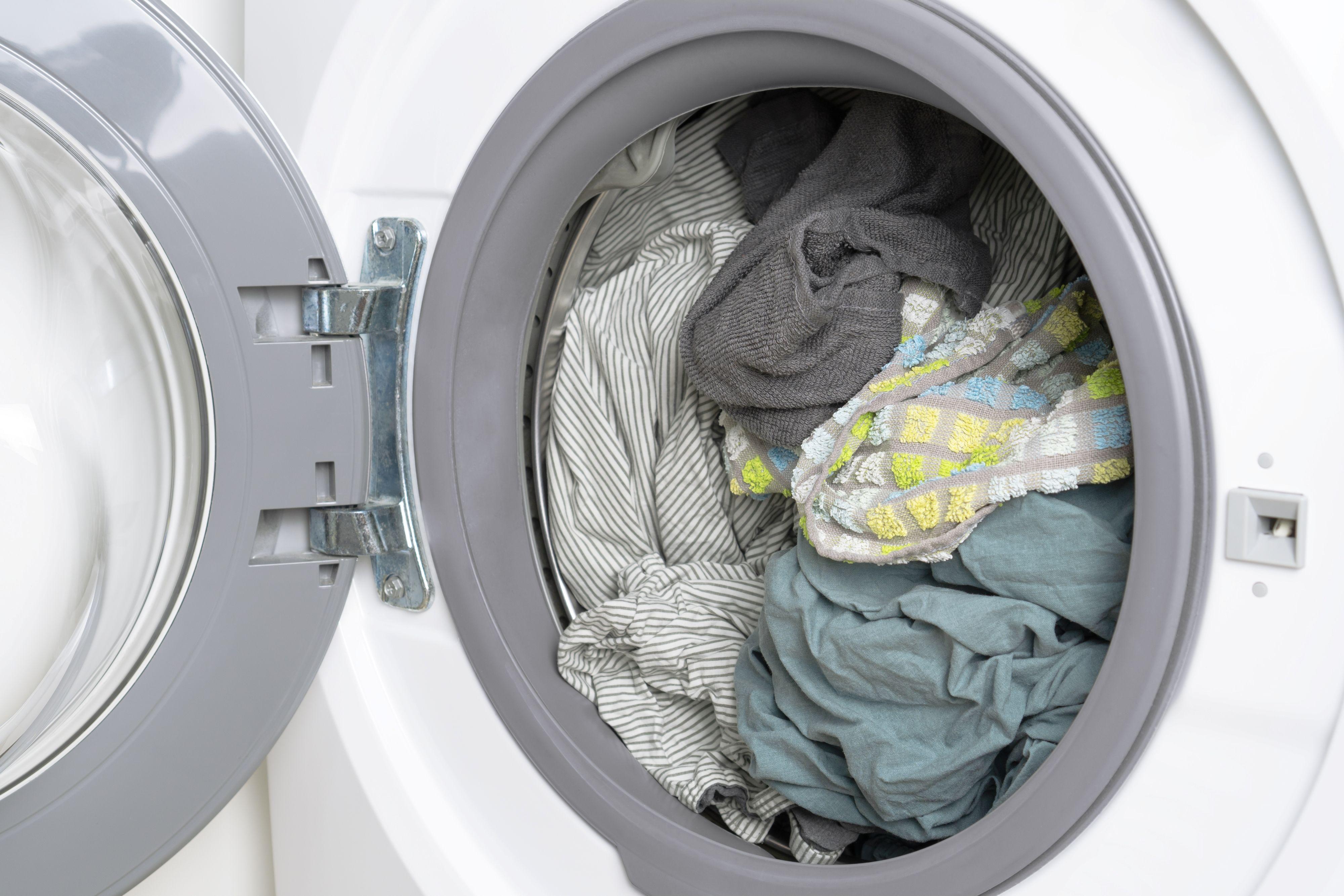
Putting on a musty-smelling shirt is uncomfortable enough. It’s even more problematic when an entire load of recently washed laundry comes out smelling damp and stale—without any apparent explanation. That mildewy odor can pop up for a number of reasons. However, simple strategies can keep your laundered clothes smelling fresh. Here are five common reasons your laundry might smell musty and how to make sure it stops happening.
1. Over-Stuffing the Laundry Machine
Fitting as many clothes, towels, or linens as possible into a single load of laundry might seem like an efficient way to get the job done. However, over-stuffing the washing machine can contribute to musty-smelling laundry.
Agitation and rotation are essential components of the cleaning cycle. The friction helps scrub the clothing clean. Too many items in a washing machine means there’s limited space to move around, resulting in improper cleaning; if clothes go in smelling musty, they’ll come out the same way.
To avoid over-filling the washer, do separate loads for whites, colors, towels, and linens. Never load a machine more than three-quarters full. Sometimes, laundry machines have lines or guides on the door indicating the optimal machine load. There might also be loading instructions in the machine’s manual.
For top-loading machines, never fill laundry past the agitator. For front-loading machines, leave enough space for your hand to fit over the loaded clothes.
2. Leaving Damp Laundry in the Machine
It is all too easy to press the start button on the laundry machine, walk away, and forget to take the clothing out promptly. Letting damp clothes sit in the laundry machine after a cleaning cycle, even if only for a few hours, can make them smell musty. If they stay in there for days, the entire machine will smell damp and moldy.
Transfer laundry to the dryer as soon as the washing machine cycle is complete to avoid any musty odors. Set a timer on your phone, microwave, or smart home device if you’ll be out of earshot of the machine’s own alert. Try to do your laundry at a time when you’ll be available to switch loads.
3. Not Cleaning the Washing Machine
Like any other appliance, washing machines can get dirty. A damp, unventilated environment is ideal ground for mold, mildew, and bacteria to form. A dirty machine can leave behind residue and unpleasant smells. So, if your just washed laundry smells musty, start with a thorough cleaning of your washing machine, including its often-forgotten filter.
Some washing machines have a self-cleaning cycle that comes in handy. Otherwise, run an empty cycle with hot water and two cups of distilled white vinegar. Front-loading machines need extra TLC, including wiping the inside of the door and the gasket (or the rubber fold around the door). This pocket is often the cause of mold and mildew growth, so use an old toothbrush and vinegar-water solution to scrub away hidden grime. Before putting a new load in, run another empty hot water cycle and leave the door open until the washer is completely dry.
Related
4. Using the Wrong Amount of Detergent
When it comes to adding detergent, it’s all about balance. Too little won’t properly remove sweat or bacteria, which are the cause of many bad smells. Too much detergent, though, can cause a buildup of soap scum, leading to an ineffective rinse cycle. Deodorizers, fabric softeners, or heavily scented detergents may only mask the smell but not solve the problem.
Fix this by using the right amount of detergent for the load size. Use unscented products to make sure that clothes smell naturally fresh. A medium load requires roughly 3 tablespoons of liquid detergent. For a large load, use 4 to 5 tablespoons of liquid detergent. If you use detergent sheets or soap nuts, read the manufacturer’s instructions to make sure you’re using the correct size or amount for each load.
5. High Humidity During Drying
The washing machine is not always the problem. Hanging clothes to dry can cause a musty smell if there is too much moisture in the air and a lack of ventilation. Indoors, use a dehumidifier to balance the humidity levels and prevent musty-smelling clothes. Outdoors, try to hang clothing during sunny, breezy days. Do not put them out when it may rain or when humidity levels are high. Never leave clothes hanging outdoors overnight.
When hanging clothes outdoors on a clothesline, give your clothes adequate space to blow in the breeze and fully air out. When using a tumble dryer, do not overstuff the load. If the dryer barrel is relatively small, you may need to divide freshly cleaned clothing into batches to ensure they dry completely. Never fold and put away laundry that's still damp. Musty smells may develop as a result.

 Arabic
 French
 Spanish
 Portuguese
 Deutsch
 Turkish
 Dutch
Dutch
 Italiano
 Russian
 Romaian
 Portuguese (Brazil)
 Greek
Greek