


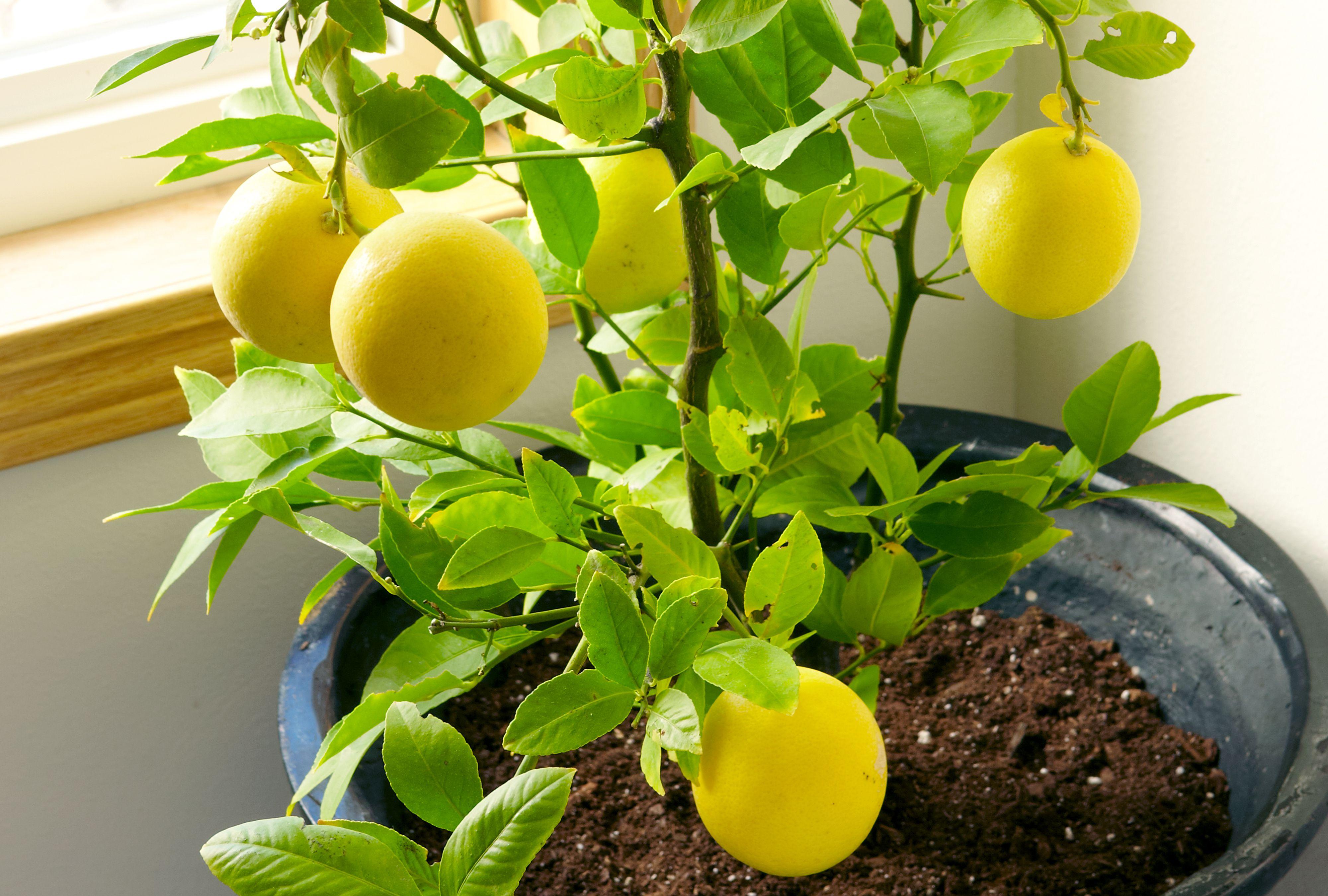
Growing a lemon tree (or any citrus tree, for that matter) from seed is easy. However, because lemon trees are hybrids and most of them are grafted, their seeds produce seedlings that are not identical to the parent tree and the growth habit of the tree as well as the quality of the fruit won't be the same. Also to consider is that it takes up to a decade until a lemon tree grown from seed reaches the fruit-bearing stage.
Even if you never get to harvest any lemons, growing a lemon tree from a seed is a fun project for all ages. This step-by-step guide explains how to grow a lemon tree from a seed and provides tips for caring for your new seedling.
If you would like to harvest homegrown lemons, start with a lemon tree from a nursery.
Steps for How to Grow a Lemon Tree from Seed
Follow these simple steps to grow a lemon tree from seed. Start by ensuring you have all the necessary materials needed, including a fresh lemon, seed trays or small pots, well-draining potting soil, and a watering can.
Step 1: Select a Lemon
Start the process by picking a plump, bright lemon that is free from any blemishes, cuts, or bruises, as these might indicate internal rot.
Step 2: Collect the Seeds
Instead of slicing the lemon as you usually would, peel it like an orange to avoid damaging the seeds inside. Gently separate the lemon into segments and open each slice. Although citrus seeds have a hard outer coat, they can be sliced with a clean, sharp knife. Once you've collected the seeds, rinse them under tap water in a bowl, then drain and dry completely on a paper towel.
Step 3: Plant the Seeds
Fill seed trays or small plastic pots (plastic retains moisture better than clay does) with well-draining potting soil. Water the soil lightly so it's moist but not completely soaked. Use the tip of your finger or a pencil to make a half-inch hole in the soil, and place one seed inside of each hole. Cover the seeds with soil and water gently to avoid disturbing them.
Step 4: Keep Seeds Warm
Position the pots in a warm, well-lit area, keeping the soil consistently moist. To encourage faster germination and growth, consider using a heating mat and grow lights for your lemons.
Step 5: Transplant the Seedlings
Once the seedlings have their third set of leaves, it's time to move them to larger containers. Keep these containers indoors under grow lights, or, if it's consistently warmer than 70°F, you can place them outdoors in full sun for at least six hours daily.
Caring for Your Lemon Tree
Use these simple tips to care for your new lemon tree seedling.
Soil
Lemon trees thrive when they are planted in well-draining soil. They are susceptible to root rot if they are left in soggy conditions. For container plants, opt for a commercial citrus potting mix or a lightweight, well-draining potting mix. You can also use a standard soil mix enhanced with pumice, perlite, or sand in order to promote drainage.
Soils that are high in peat moss are unsuitable for citrus trees. Although peat retains water while wet, it becomes hydrophobic when it is dry, resisting water absorption. Peat-heavy soils can retain excess moisture, risking plant rot unless amended with pumice, perlite, or sand.
Water
Like many other citrus trees, lemons need water but can suffer if they are overwatered. Water deeply to ensure the soil is soaked through, and aim to water as the soil dries, avoiding sticking to a strict schedule. Keep in mind that heating, air conditioning, and fans can accelerate soil drying times.
Pests
When growing outdoors, lemon trees are generally hardy and mostly pest-free. When growing indoors, however, they may attract pests like mealybugs, whiteflies, mites, and aphids. You can manage these pests using organic pesticides like neem oil, insecticidal soap, or pyrethrin. Always follow product instructions exactly, and avoid spraying when beneficial insects such as bees or ladybugs are present in the area.
Scale insects can attack lemon trees both indoors and out. A combination of mechanical removal and chemical treatment may be necessary to solve this issue. Since scale insects have soft shells and don't move much, you can wipe them off manually. They can also be dislodged with a strong water spray—test a small area first to adjust the spray's intensity and prevent damage to the plant.
For severe scale infestations on outdoor lemon trees, synthetic pesticides might be a last resort. However, you should steer clear of broad-spectrum pesticides, as these can indiscriminately kill beneficial insects like parasitic wasps and lacewings that control pests.
Frequently Asked Questions
-
Native to the tropics, lemons thrive in the heat but grow well elsewhere as long as the temperature remains well above freezing for most of the year. In the United States, lemons are grown commercially in Florida and California, but they can grow indoors in other states, provided they receive sufficient lighting and warmth.
-
After five years, lemon trees reach about 20 feet tall outdoors, while indoor lemon trees usually grow to about 6 feet.
-
It improves the chance of germination to soak the seeds overnight before planting but if you plant the seeds immediately after removing them from the lemon, it is usually not necessary.

 Arabic
 French
 Spanish
 Portuguese
 Deutsch
 Turkish
 Dutch
Dutch
 Italiano
 Russian
 Romaian
 Portuguese (Brazil)
 Greek
Greek