


Key Takeaways
- Freezing temperatures at night and warmer daytime temperatures cause frost heaving.
- To prevent frost heaving, improve drainage, grow deep-rooted plants, and mulch around them.
- Monitor plants for frost heaving and gently push affected plants back into the soil.
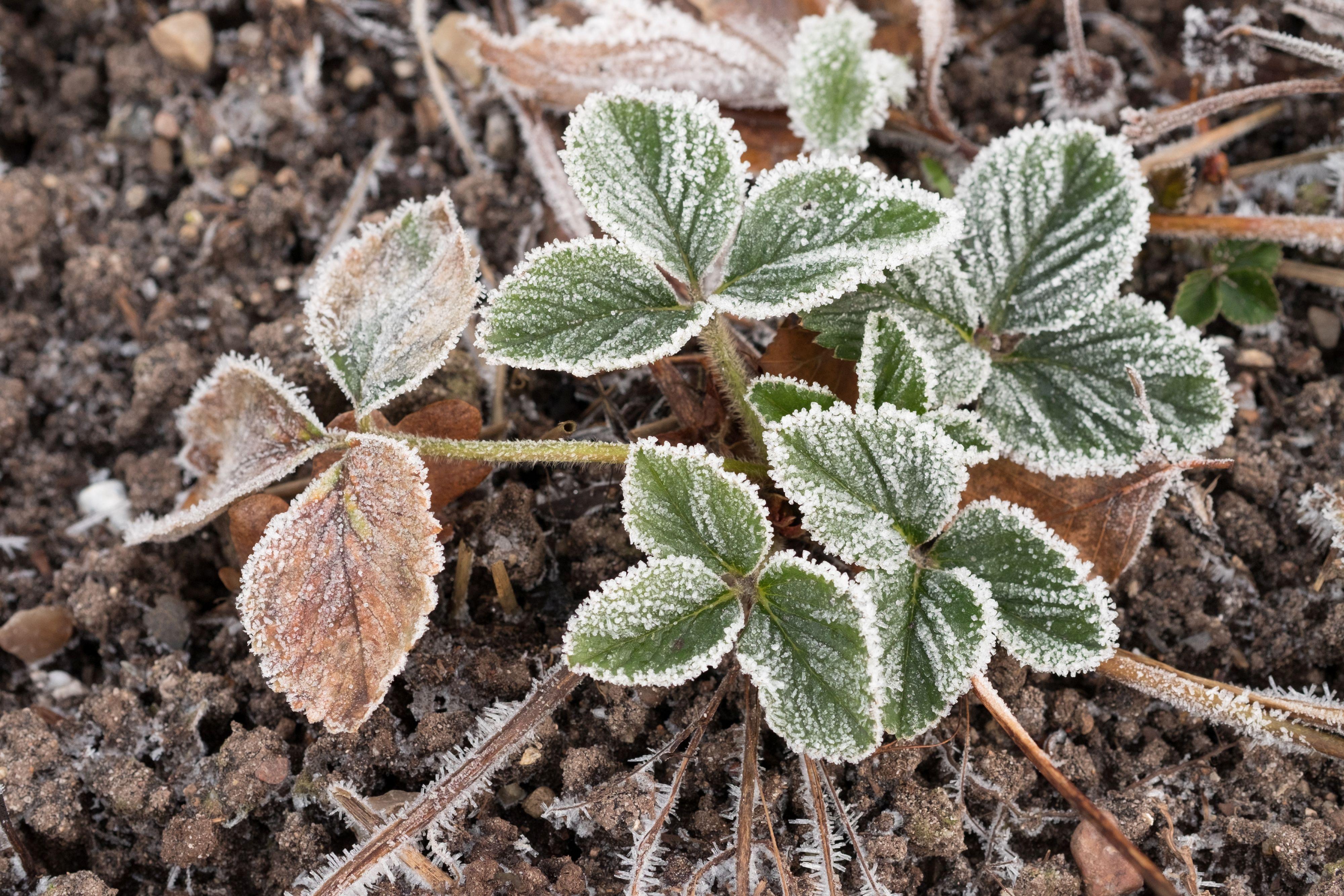
Extreme cold, heavy snow, and thick layers of ice can do a lot of damage to plants in winter. But plants can also be harmed during mild winter weather if temperatures fluctuate widely and cause the soil and roots to push upwards, a phenomenon called frost heaving. Find out what exactly causes frost heaving and get tips to prevent it, as well as fix damaged plants.
What Is Frost Heaving?
Frost heaving usually occurs in mild winters when temperatures hover around freezing and fluctuate rapidly from day to night. When the temperature dips below 32°F during the night, frost forms and the soil contracts. As the temperature rises again during the day, the soil rapidly expands. This repeated freeze-thaw cycle can disturb soil and the plants in it. Even sidewalks, driveways, and house foundations can be affected.
When plant crowns get pushed out of the earth by frost heaving, this leaves them more exposed to cold and harsh winds. Even plants that are perfectly winter-hardy in your climate may not survive until spring unless you intervene.
Plants Most Vulnerable to Frost Heaving
Although frost heaving affects a wide variety of plants, it’s particularly pronounced in plants with shallow root systems that grow slowly and take a long time to establish. Perennials, trees, and shrubs that were planted too late in the season may also be susceptible to frost heaving if their roots didn’t have enough time to grow into surrounding soil.
Here are just a few plants that are especially prone to frost heaving, but it’s wise to be on guard for frost heaving, no matter what types of plants you’re growing.
Related
How to Prevent and Fix Frost Heaving
If you live in a mild climate where the ground doesn’t freeze, you’ll likely never need to worry about frost heaving at all. But gardeners in colder areas should keep a watchful eye out for frost heaving, and use these tips to prevent and fix frost heaving in the garden.
1. Fix Drainage Issues
Frost heaving is more likely to occur in soil that drains poorly and is consistently wet, such as garden beds that remained soggy during the growing season after a rainstorm or watering. Grading the soil or adding drainage ditches near your beds can help water move along more readily. Adding compost, aged manure, or other organic matter to your soil can also improve minor drainage problems and reduce the risk of frost heaving.
2. Grow Long-Rooted Plants
Plants with long and sturdy root systems anchor deeply into the soil and are less likely to be heaved upwards when the ground freezes and thaws. If you’ve struggled with major frost heaving issues in the past, you may want to swap out some of your shallow-rooted perennials for plants with longer and deeper root systems. Native grasses, perennials like Joe Pye weed, and coneflowers are examples of plants with more extensive roots that are less likely to suffer from frost heaving than non-native options.
3. Plant and Divide Early
Making sure your plants have enough time to establish in the soil is one of the best ways to avoid frost heaving damage. Exactly when to divide and plant perennials, trees, and shrubs will vary depending on where you live and the type of plants. However, if you’re planning to plant or divide perennials in autumn, be sure to do it at least 6 weeks before frost is expected in your area.
4. Add Mulch
Applying a thick 2- to 4-inch layer of mulch over your soil in autumn shelters plants from the cold and prevents their roots from drying out in winter. Mulch also helps to weigh roots down and moderates soil temperature levels, so frost heaving is less likely to occur.
For best results, choose a natural mulch, like bark or wood mulch, and keep the mulch line a few inches away from your plants' stems or crowns to avoid rot.
5. Be Vigilant
Even if you take precautions like planting early and adding mulch, frost heaving may still occur in your garden. To limit damage to your plants, check your garden over regularly for signs of frost heaving and fix your plants as soon as possible.
Mild frost heaving can usually be remedied by gently pressing the base of plants back into the soil with your foot. However, if plant crowns and roots are completely exposed, you may need to add additional soil and mulch to cover the roots back up again.

 Arabic
 French
 Spanish
 Portuguese
 Deutsch
 Turkish
 Dutch
Dutch
 Italiano
 Russian
 Romaian
 Portuguese (Brazil)
 Greek
Greek