


January is the middle of winter, but no matter where you live, there are a few gardening tasks to be done this month. For gardeners in warmer climates, there are hands-on tasks to do outdoors, while in the northern part of the country, the focus is on planning, organizing, and prepping indoors.
Regardless of where you live, this is a good time to browse the catalogs for summer-flowering bulbs that are planted in the spring, such as cannas, dahlias, and lilies, to make sure you’ve ordered what you want before they are sold out.
Don’t neglect your poinsettias in January. These festive holiday plants can make attractive year-round houseplants, and with the right care, they can even be coaxed to bloom again next year.
Northern Region
The northern tier states, such as Minnesota, Michigan, and Maine, are a long way yet from spring weather, but between snowfalls, take a few moments to check these things off your winter to-do list.
Vegetable and Herb Garden
It’s time to get those seed orders in this month. Once you've decided what you want to grow, plan your crop rotation, taking into account not only what grew where last year, but which beds are in full vs. partial sun, any companion planting you intend to do, and specific requirements, such as not planting tall crops where they’ll shade out shorter plants. Keep in mind any pest problems you had in previous years, and make the necessary adjustments to avoid or minimize them.
- Take inventory of any produce you preserved to see how your stockpile is lasting. For example, if you put up 10 jars of salsa but have already enjoyed six, you might wish to grow more salsa ingredients next year.
- Even in the North, the end of January is not too early to start a few slow-growing herbs like rosemary and thyme from seed indoors. Onions can be started from seed at the end of the month and into early February.
- If you have herbs growing under lights, take a few cuttings for propagation. They’ll be nicely rooted plants ready for planting in spring.
Flower Beds, Perennials, and Ornamentals
Take advantage of a warm front and head outside for some fresh air. There’s pruning to do, protective cages to check on, and birds to watch.
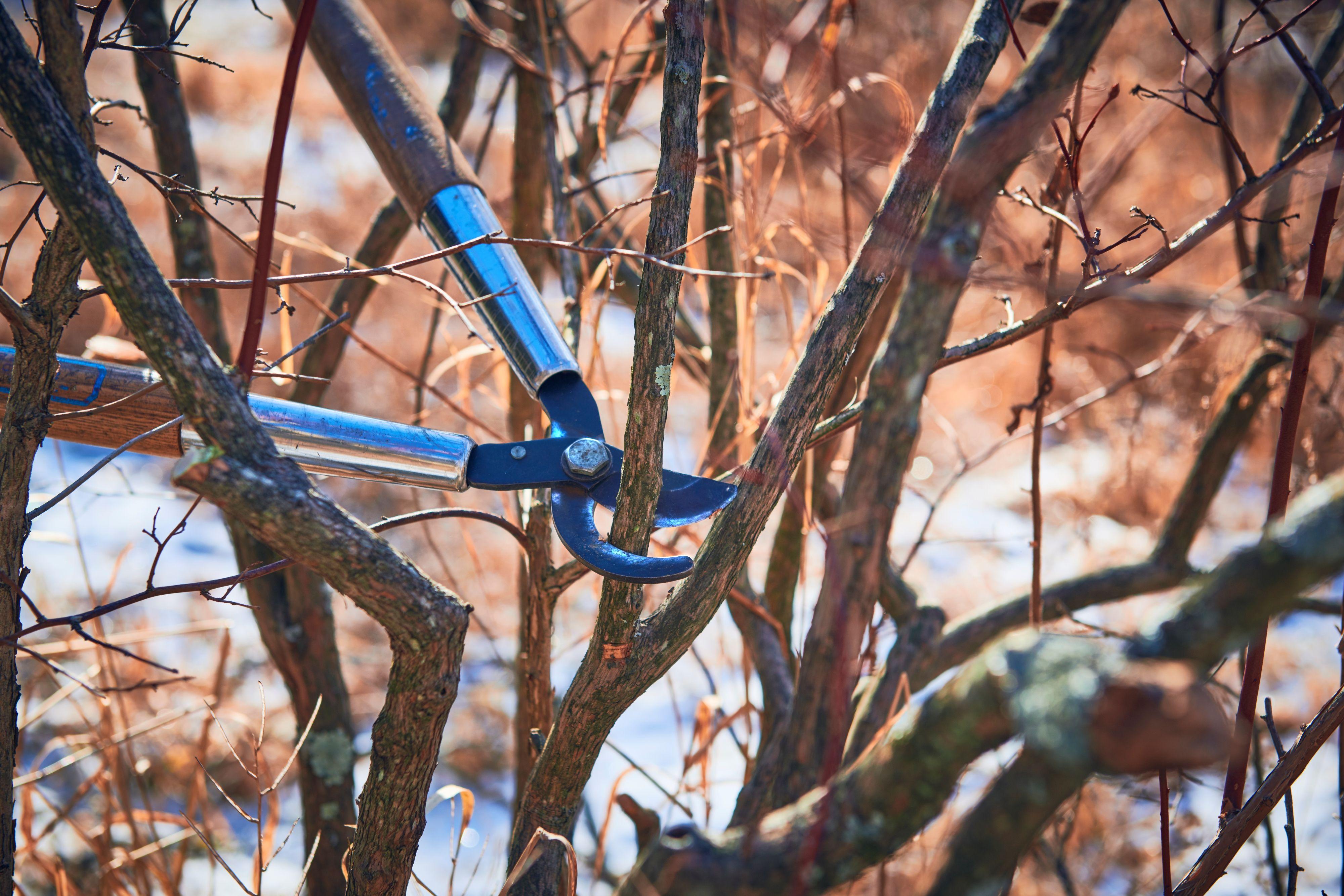
- Sharpen your pruners and head out for some winter pruning. Now that the trees and shrubs are fully dormant, it’s the perfect time to complete this task. However, remember that most spring-flowering shrubs, such as forsythia and lilacs, shouldn’t be pruned in winter.
- The seeds of many native flowers and other perennials need cold stratification to germinate. Check how much time they need and make a schedule for when to start the seeds outdoors or in your fridge. Some seeds need 60 days or more of cold exposure.
- Remember your monthly check on any stored tubers like dahlias and cannas. They should be firm like a potato, not mushy or dried out.
To-Do Checklist
- Take stock of your gardening tools, gear, and equipment, and make a list of the items you'll need so you can start shopping around or watch for upcoming sales.
- Check on your winter squash, potatoes, and other crops in long-term storage.
- Look up a local garden club and see if they are holding any events, such as classes or seed swaps, or look for online events.
Related
Middle States
In the middle states, such as Kansas, Virginia, and Missouri, winter weather may or may not bring snow, but it's usually cold and windy.
Vegetable and Herb Garden
Like in the northern part of the country, your winter vegetable gardening this month is mostly about planning, ordering, and organizing. But vegetables and herbs with a long lead time can be started indoors this month. Find your seed starting supplies and make sure you’ve got what you need.
- Celery, onions, leeks, and many herbs, such as lavender, rosemary, sage, and thyme, can all be started later this month.
- Check for pests on any indoor herbs and ensure they’re getting enough light. Not only are the days shorter, but the sunlight is less intense.
- Plant some basil, cilantro, or dill now. These fast-growing herbs will be ready for harvesting in March, when the weather is bleak, and your meals could use a bright pick-me-up.
Flower Beds, Perennials, and Ornamentals
In the middle states, significant snow cover is often hit-or-miss. But hungry rodents are a sure thing. Pop out on a sunny day and check your mulch and any rabbit or deer protection. This is the time of year when a gap at the bottom of the wire cage becomes a rabbit or vole entryway.
- Grab those freshly sharpened pruning shears and start removing broken branches, twisted stems, and pruning for shape. Make sure to know which plants to avoid pruning in winter before you get started.
- If you want to start native plants from seed, find out whether they need cold stratification and for how many days, then do winter sowing outdoors or chill the seeds in the fridge for the required time before starting the seeds indoors.
- On a mild day, take a measuring tape outside and start planning any infrastructure improvements, such as fencing, new garden beds, irrigation lines, or arbors.
To-Do Checklist
- Inspect your stored tubers and bulbs, discarding any that are mushy. If they look a bit too dry, add moisture with a spray bottle or place a small humidifier in the room. If they’re getting moldy, it’s likely too damp, and you’ll need to move them. Brush or wash them off, dry them well, and store them in a more suitable location.
- Order your seeds, spring-planted bulbs, and bare-root nursery stock. Except for seeds, items usually won’t ship until later, but many popular selections sell out early.
Southern Region
In Texas, Georgia, Florida, and other southern states, January may bring freezing temperatures or pleasant winter gardening weather. While crops under cold frames are still chugging along, the time to get crops for spring planting started has already arrived.
Vegetable and Herb Garden
If you’ve got cool-season crops still in the garden, they may be getting a bit tired. For crops like greens and kale, keep up regular harvesting of the outer leaves to encourage the plant to produce new growth. Watering needs are likely lower, so check the soil with your finger beforehand.
- Start seeds of peppers, eggplant, and tomatoes, as well as brassicas such as broccoli, leafy greens, and herbs indoors so they are ready for spring transplanting.
- In warmer regions, plant short-day and day-neutral types of onions.
- Spread a 2- to 3-inch layer of compost in your vegetable garden, which insulates the soil against cold and slowly decomposes and releases nutrients for spring growth.
Flower Beds, Perennials, and Ornamentals
If your ground isn’t frozen, January is the perfect time to create and prepare new beds. Remove the sod, loosen the soil, and add any amendments you need. Doing the prep work now is not only cooler, but you’ll be ready when any dormant roses and other bareroot ornamental plants you ordered arrive in the mail.
This month is also a good time to tackle any poison ivy in the yard, while it’s still comfortable to be wearing long sleeves, pants, and boots. And if you have kudzu, bamboo, or other invasive plants growing in your yard, cut them down as well while they're dormant.
To-Do Checklist
- Finish up any winter pruning of deciduous ornamental trees, fruit trees, grapevines, and shrubs that bloom on new wood. Wait to prune spring‑flowering shrubs such as azaleas and flowering quince until after they finish blooming.
- If you haven't done a soil test in a couple of years, do it now (via your local Extension Office) so you can add any nutrients that may be lacking before the growing season is in full swing.
- Get on the list for a delivery of compost. It’s okay if it sits in your yard for a month or two, but trying to get deliveries during the spring busy season can involve long delays.

 Arabic
 French
 Spanish
 Portuguese
 Deutsch
 Turkish
 Dutch
Dutch
 Italiano
 Russian
 Romaian
 Portuguese (Brazil)
 Greek
Greek