


Rodents In The US Are Rapidly Evolving Right "Under Your Nose"
Rodents In The US Are Rapidly Evolving Right "Under Your Nose"
In a striking example of rapid adaptation, the physical form of urban rodents has changed to better suit the hustle and bustle of urban life.
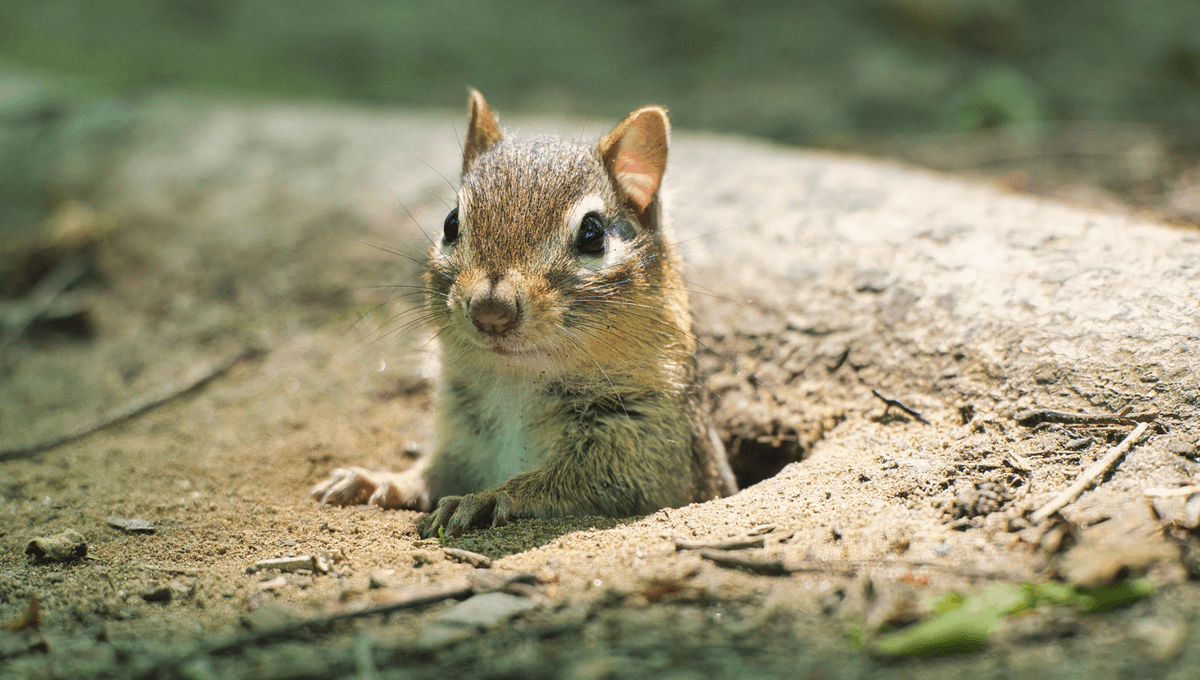
The rest of this article is behind a paywall. Please sign in or subscribe to access the full content. Earlier this year, scientists at the Field Museum in Chicago went through their collection and measured the skull shapes of eastern chipmunks (Tamias striatus) and eastern meadow voles (Microtus pennsylvanicus). Chipmunks are a cute relative of squirrels that snack on everything from nuts and berries to insects and even frogs, while meadow voles are closer kin to hamsters that eat a plant-based diet and spend much of their time tunneling underground. By looking at the cranial morphology of these creatures and comparing how they’ve changed over the past 125 years, they were able to see how they were responding to urbanization. "From the skulls, we can tell a little bit about how animals are changing in a lot of different, evolutionary relevant ways – how they're dealing with their environment and how they're taking in information," Stephanie Smith, a mammal expert at the Field Museum and co-author of a new paper, said in a statement. These chipmunk skulls were collected near Chicago in 1906. Image credit: © Field Museum The team also examined where the animals had been collected and used satellite imagery to track Chicago’s urban growth over the past 80 years. Together, the data revealed that both species have undergone significant changes in response to city life. “Over the last century, chipmunks in Chicago have been getting bigger, but their teeth are getting smaller,” explained Anderson Feijó, assistant curator of mammals at the Field Museum and co-author of the study. “We believe this is probably associated with the kind of food they're eating. They're probably eating more human-related food, which makes them bigger, but not necessarily healthier. Meanwhile, their teeth are smaller – we think it's because they're eating less hard food, like the nuts and seeds they would normally eat.” Meanwhile, voles are changing in another way. The team noticed how the population has developed smaller auditory bullae, hollow bone structures associated with hearing. This, they believe, may be a reaction to the constant noise of densely populated humans, traffic, and other hallmarks of the big city. "We think this may relate to the city being loud – having these bones be smaller might help dampen excess environmental noise," said Smith. This is evolution by natural selection in real time. Animals that happen to have traits better suited to urban environments, such as skull shapes adapted to softer diets or ear bones that help cope with loud environments, are more likely to survive and reproduce in cities. Over generations, those advantageous traits become more common in the population. But it isn’t just chipmunks and voles that are riding the waves of change. Another recent study showed how raccoons in the US have evolved much shorter snouts than their rural counterparts, evidence that the species has self-domesticated in response to human presence. A very similar phenomenon has been documented in red foxes, too. The world has changed rapidly in the past century or so – and so too has the wildlife that inhabits it. “These findings clearly show that interfering with the environment has a detectable effect on wildlife,” added Feijó. “Change is probably happening under your nose, and you don't see it happening unless you use resources like museum collections,” concluded Smith. The study is published in the journal Integrative and Comparative Biology.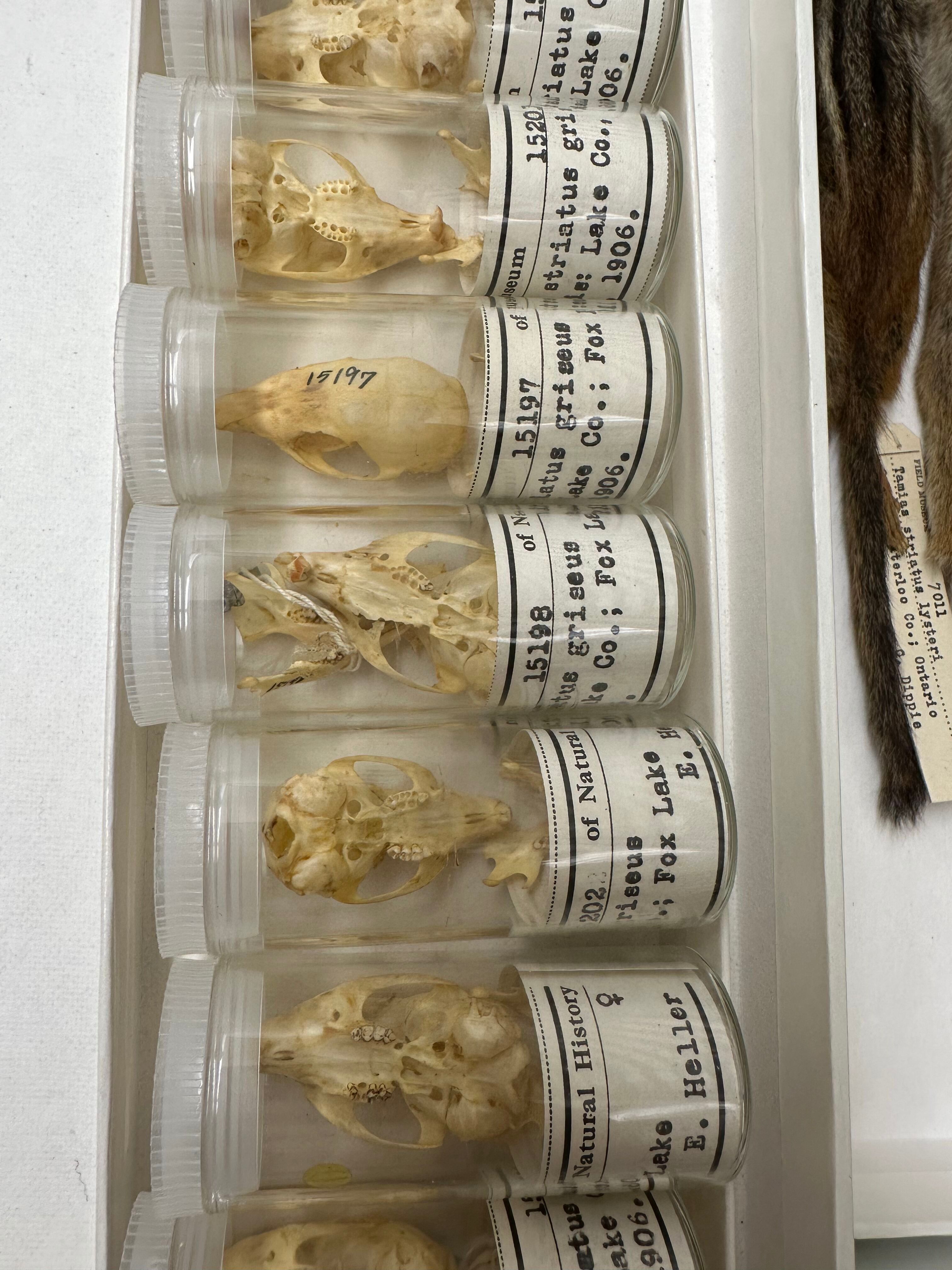

 English
 Arabic
 French
 Spanish
 Portuguese
 Deutsch
 Turkish
 Italiano
 Russian
 Romaian
 Portuguese (Brazil)
 Greek
Greek