


 PUBLISHED

This time of year many of us will be sitting down with family and friends to enjoy a seasonal feast, the centerpiece of which might be roast goose, turkey, or chicken – but would you consider swapping your poultry for something a little more plant-based?
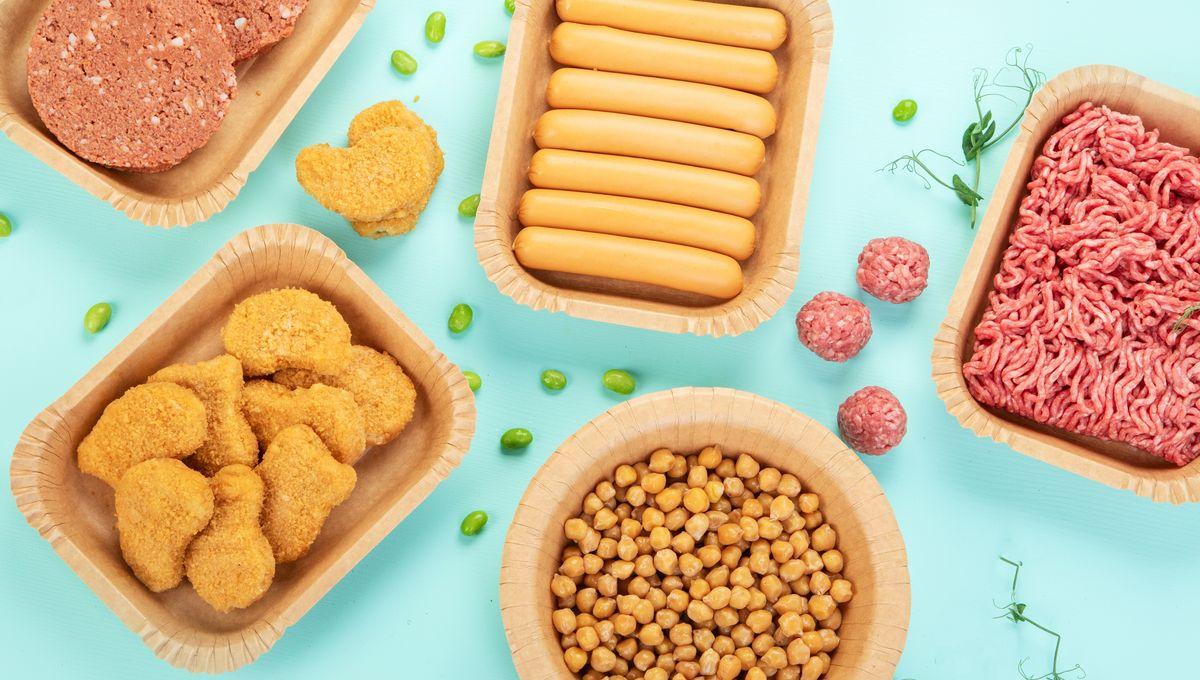
The rest of this article is behind a paywall. Please sign in or subscribe to access the full content. In the United States roughly 10 percent of the population is vegetarian or vegan; among the younger generations, however, both diets are more widespread. Sales of global plant-based meat substitutes have soared, with plant-based dairy and meat sales topping out at $29 billion in 2020, projected to go to $162 billion by 2030. The motivations behind these diets have changed too. Previously people cited health reasons for opting out of meat and dairy, but now the main drivers appears to be environmental, or even fashion trend-related as people are more exposed to celebrity influence when it comes to food choices. For example: "Our product has more than 10 times less environmental impact than beef," Daniel Dikovsky, chief technology officer at Redefine Meat, previously told IFLScience on an episode of our podcast The Big Questions. "So, the difference is huge." If you can’t quite bring yourself to give up your festive feast but are still concerned about this environmental impact, there’s another growing industry ready to cater to your needs. The lab-grown meat industry takes cells from living animals and nurtures them in the lab, creating everything from burgers and sausages to steak – made from animal cells, but without the same environmental impacts as traditional farming. In the UK, dog food made from meat that was grown in a factory went on sale earlier this year, while Singapore was the first country to license the sale of cell-cultivated meat for people to eat in 2020, with the United States and Israel following suit over the last four years. It's predicted it might take another two years for cell-cultivated meat to hit UK shelves, though the process could be faster. Ivy Farm Technologies CEO Dr Harsh Amin told the BBC, "If we can shorten that to less than a year, while maintaining the very highest of Britain's food safety standards, that would help start-up companies like ours to thrive." Ivy Farm currently produces lab-grown steaks made with cells from Aberdeen Angus and Wagyu cattle.


 English
 Arabic
 French
 Spanish
 Deutsch
 Turkish
 Dutch
Dutch
 Italiano
 Russian
 Romaian
 Portuguese (Brazil)
 Greek
Greek