


 PUBLISHED
When it comes to love, loyalty, and long-term partnerships, humans may naively think we’re unique, but the animal kingdom is full of surprises and faintly familiar trends. Across species, monogamy is actually the exception rather than the rule, and our own patterns of fidelity are just as complex as the rest.
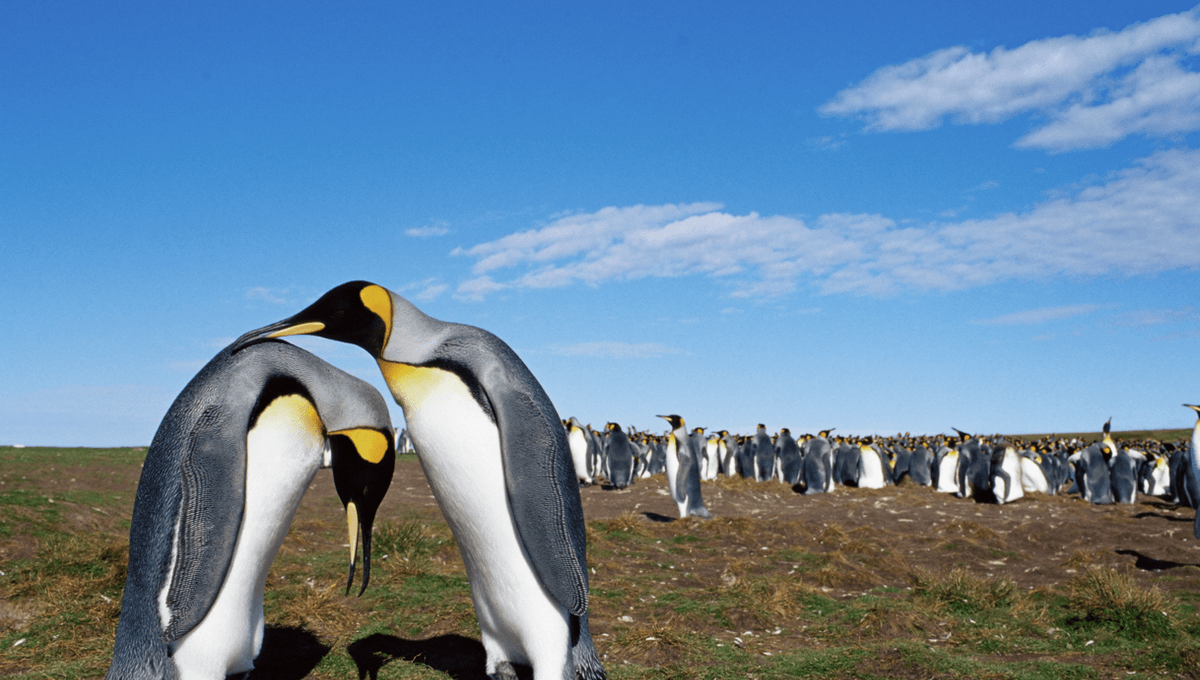
The rest of this article is behind a paywall. Please sign in or subscribe to access the full content. Monogamy comes in many different forms. Scientists define sexual monogamy as pairs of animals that mate exclusively with one another. This differs from social monogamy, in which pairs form long-term bonds — typically to raise offspring, share territory, or obtain food together — but may still occasionally “cheat” on their partner. Likewise, these animals might be considered monogamous because they stick around for the child-rearing, but they won't necessarily mate for life; serial monogamy, in other words. Yep, even in nature, it’s complicated. Monogamy usually emerges when competition for mates is low and raising offspring benefits from both parents’ care. In these species, males and females often look similar, flashy physical traits are minimal, and mating with a single partner stabilizes reproduction. Sometimes, however, polygamy is more effective. When males can increase their reproductive success by mating with multiple females, when offspring don’t require two parents, or when mates and resources are widely spread, promiscuity becomes the more advantageous strategy. In short, monogamy works best when cooperation matters more than competition. One group for whom monogamy isn't always the safest option is mammals. Among this class of animals, scientists estimate that just 3 to 5 percent of species are monogamous. Mammals typically considered to be monogamous include: Eurasian beavers are big believers in co-parenting. Image credit: Michal14/Shutterstock.com Where do humans fit into all this? Well, it's complicated. There’s some debate around what we can consider true monogamy, and it’s perhaps more useful to view it as a spectrum (like many things in life). In a recent study, scientists at the University of Cambridge created a monogamy scale for mammals based on how likely an individual is to produce siblings that share both parents. Humans were relatively near the top of the chart, but they were beaten by the likes of California deermouse, African wild dogs, Ethiopian wolves, Eurasian beavers, and the other characters mentioned above. In other words, all of these mammals are more likely to mate with one partner for life and can be considered more monogamous than our species (Homo sapiens). Looking at the other end of the spectrum, humans can be considered more monogamous than gray wolves, bottlenose dolphins, black rhinos, and lions. “There is a premier league of monogamy, in which humans sit comfortably, while the vast majority of other mammals take a far more promiscuous approach to mating,” Dr Mark Dyble, an evolutionary anthropologist at the University of Cambridge, said in a statement. “The finding that human rates of full siblings overlap with the range seen in socially monogamous mammals lends further weight to the view that monogamy is the dominant mating pattern for our species.” If anything, it’s actually surprising that our species is not more “promiscuous” when it comes to breeding since many of our closest relatives rarely practice monogamy. “Based on the mating patterns of our closest living relatives, such as chimpanzees and gorillas, human monogamy probably evolved from non-monogamous group living, a transition that is highly unusual among mammals,” said Dyble. True monogamy is almost non-existent in fish and amphibians. The same goes for insects, although it is (surprisingly) documented in certain species, such as the wood-feeding cockroach. Wildly, these cockroaches will eat the wings of their partner after they mate, which researchers believe could be a way of ensuring both partners stick around to help raise their offspring. Birds are the undisputed champs of mating for life. An estimated 90 percent of bird species are considered to be monogamous, to varying extents. Bird species that tend to mate for life include: Penguins are often considered to be the poster child of monogamy, but the reality is more complex. While many penguin species do form long-term pair bonds, these relationships aren’t always lifelong. Even within a single breeding season among colonial breeders, there’s a lot of *ahem* other business going on behind the scenes. For monogamous birds, mating for life makes practical sense as it lifts the chances of an individual passing on their genes. Many larger birds only produce one brood of chicks each year, and their eggs take longer to incubate while their young take longer to grow. Parents that stay together are ready to breed earlier in the season, giving them plenty of time to raise their chicks. Having two parents also means the nest can be guarded at all times, with one adult free to hunt, forage, or do whatever birds get up to in their free time. Since finding a new mate requires considerable time and energy, especially for large migratory birds like geese and swans, sticking with a familiar partner is a sensible strategy. It allows them to conserve their strength for the long journeys ahead while building on a partnership that already works. Love and romance have very little to do with it. Then again, who are we to judge? The cold-hearted scientist might say the same about human affairs, but the depth of our feelings certainly makes it feel different from mere practicality.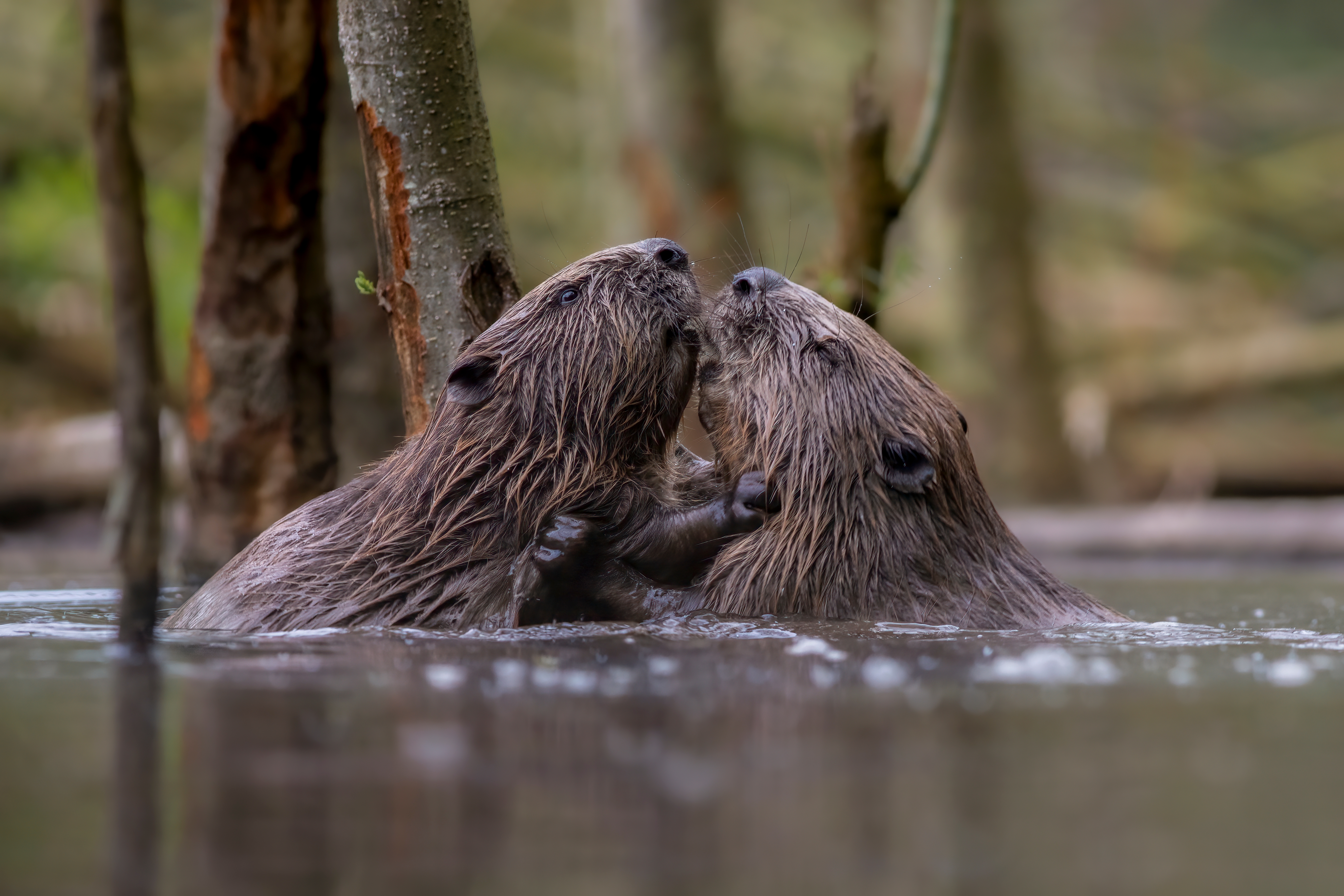
What birds mate for life?



 Arabic
 French
 Spanish
 Portuguese
 Deutsch
 Turkish
 Dutch
Dutch
 Italiano
 Russian
 Romaian
 Portuguese (Brazil)
 Greek
Greek