


The Surprisingly Scientific Events That Occurred On Christmas Day
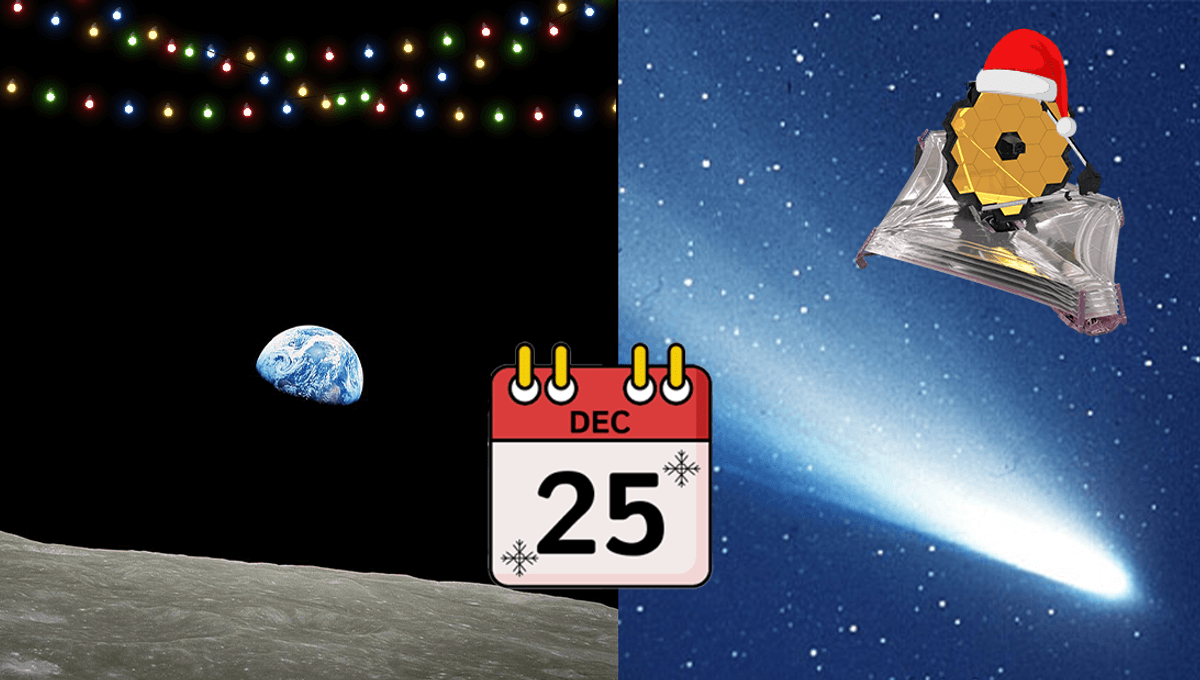
The Surprisingly Scientific Events That Occurred On Christmas Day
Christmas – it’s a day to put your feet up, demolish an ungodly amount of chocolate, and fall asleep while your family fights over the TV remote. You might be surprised to learn, then, that December 25th is actually a pretty busy day when it comes to scientific anniversaries. Read on to find out some of our favorites…
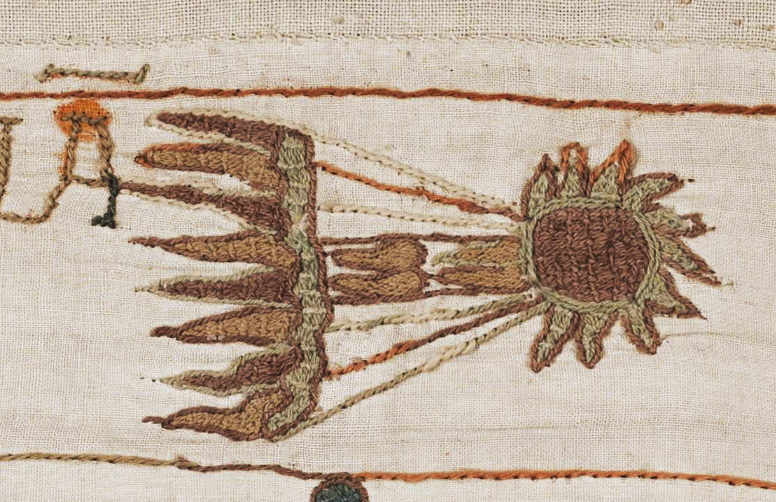
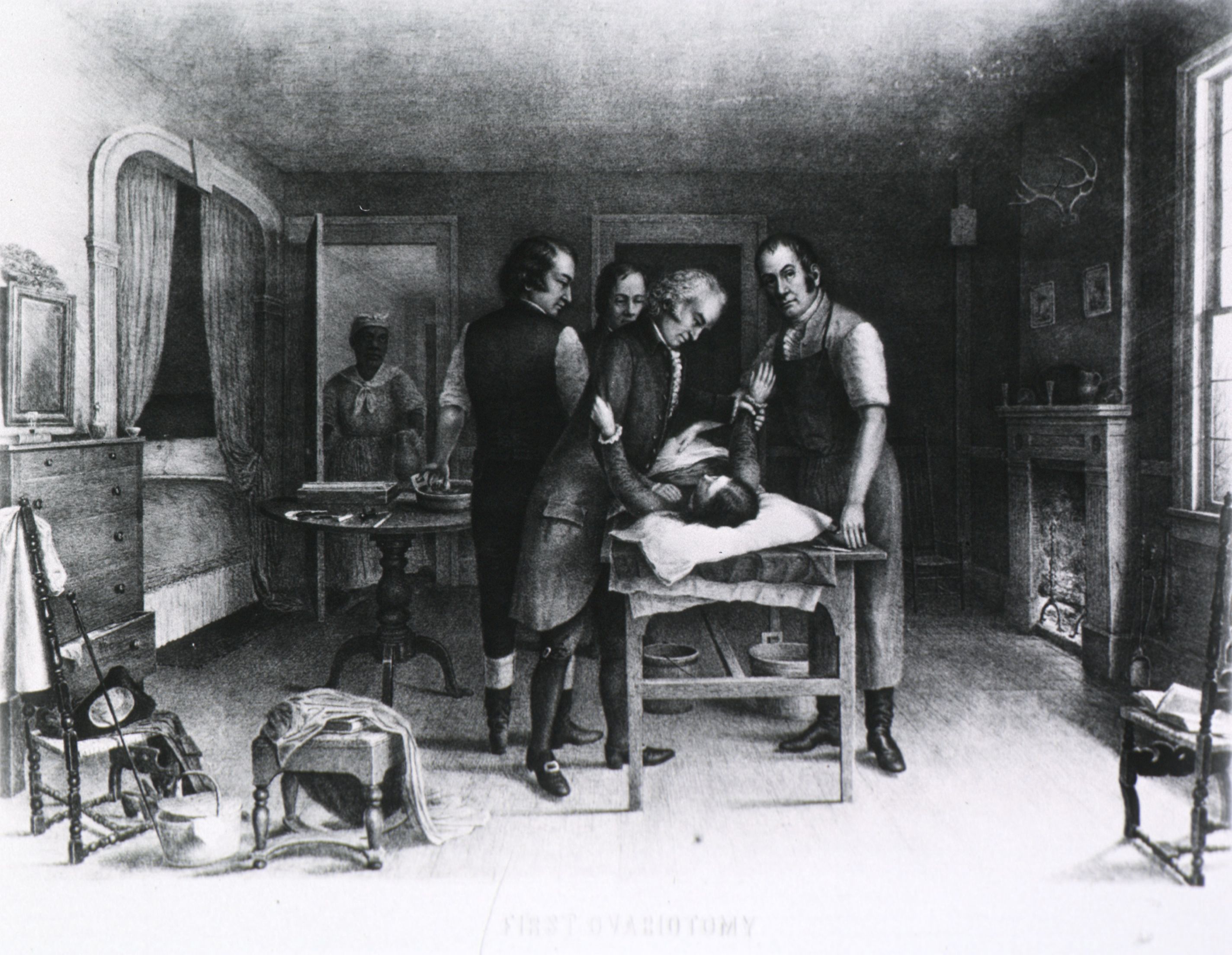
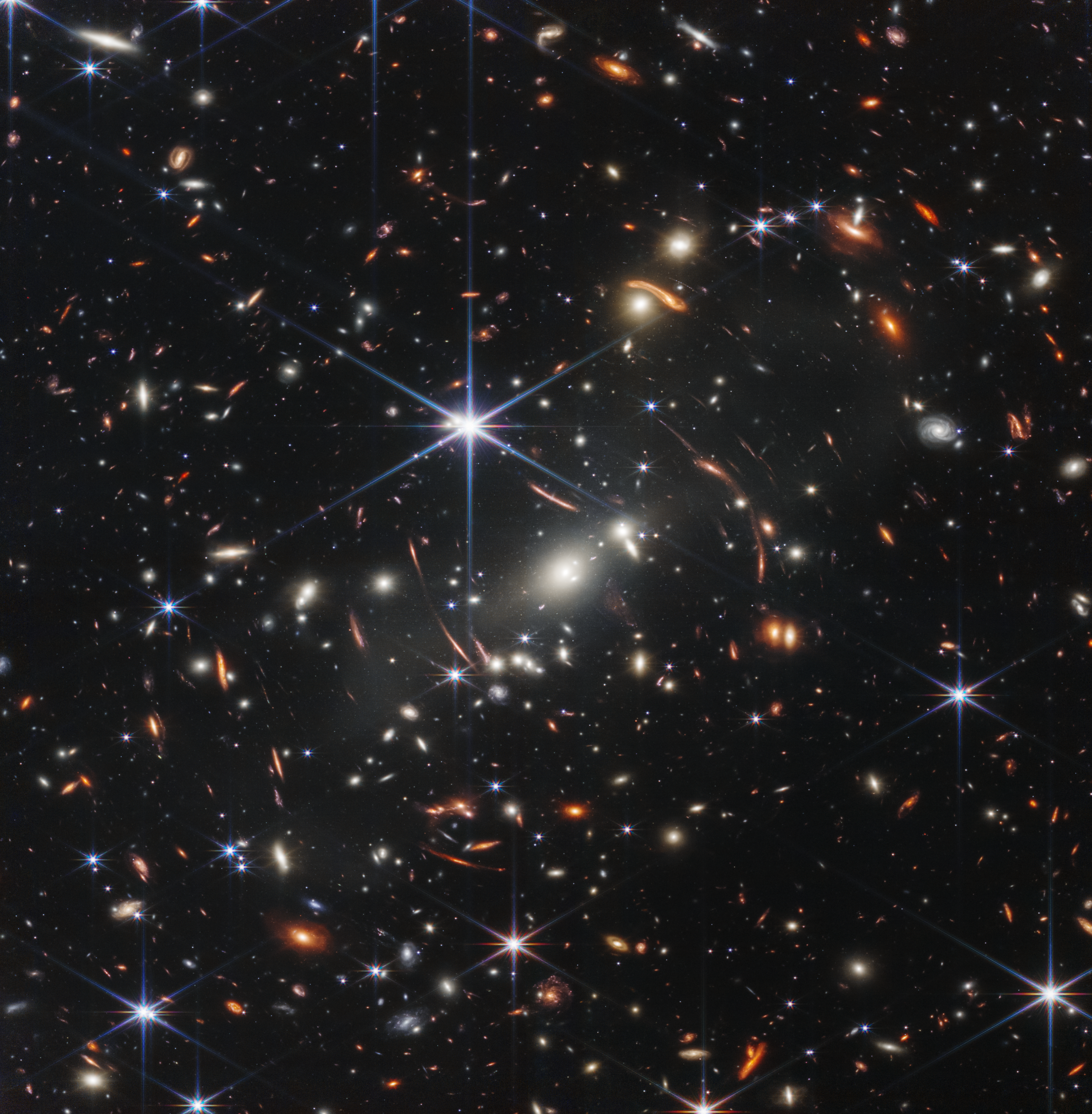
The rest of this article is behind a paywall. Please sign in or subscribe to access the full content. Back in 1705, English astronomer Edmond Halley determined that a series of historic comet sightings – one famously documented in the Bayeux Tapestry – were in fact the same object. He calculated that this periodic comet appeared roughly every 76 years, and predicted that it would next come into view in 1758. The Bayeux Tapestry's rather dramatic interpretation of the comet. While Halley wouldn’t live to see the outcome of his prediction, it turned out to be correct. On December 25, 1758, German astronomer Johann Georg Palitzsch observed the comet, making Halley’s forecast the first ever successful comet prediction. The object would go on to be named after Halley, and inspired further scientific investigation into its structure and origins, misinformed panic about the end of the world, and even a Billie Eilish song. Christmas Day in 1809 saw a surgical first thanks to Dr Ephraim McDowell, the American physician who performed the world’s first successful removal of an ovarian tumor, called an ovariotomy at the time. He carried out the surgery on a woman named Jane Crawford, who other physicians had concluded was carrying a twin pregnancy. McDowell, however, instead diagnosed her with an ovarian tumor and, on December 25, set to remove it. This wouldn’t have been a pleasant experience; anesthesia wasn’t really a thing at this point, and antiseptic technique wouldn’t be around until the 1860s either. Instead, Crawford was wide awake as McDowell cut into her abdomen – something else that wasn’t common at the time, due to the widely held view that it would inevitably lead to inflammation of the abdomen’s lining and death – and successfully removed the 10.2-kilogram (22.5-pound) tumor. An artist's depiction of the surgery. Surprisingly, Crawford would recover well from the surgery and go on to live for another 32 years. As Christmas Day dawned over Earth in 1968, not everyone was sleeping soundly in bed. Frank Borman, James Lovell, and William Anders had just begun their return journey on the Apollo 8 mission, having become the first ever humans to reach and orbit another world: the Moon. This wasn’t Apollo 8’s only first – the mission was absolutely jam-packed with them. The crew became the first humans to travel through the Van Allen radiation belts and also into deep space. They were the first to see the far side of the Moon, even taking the first photographs of the latter, leading to the now-iconic “Earthrise” image, snapped by Anders as the planet rose above the horizon of the Moon on Christmas Eve. That same day, the Apollo 8 crew delivered a live broadcast to Earth of the lunar surface, taking turns to read the first 10 verses of Genesis, before ending by wishing the millions of those viewing or listening back home, “Good night, good luck, a Merry Christmas and God bless all of you – all of you on the good Earth.” While the plethora of observations and discoveries it has made might make it seem like JWST has been around for years, it only launched back on December 25, 2021. In doing so, it became the largest and most powerful telescope in space, allowing us to peer out into the universe in never-before-seen detail. JWST's first full-color image, the highest-resolution infrared image of the universe ever taken. Image credit: NASA, ESA, CSA, STScI After a 17-year-long construction process, the telescope finally launched from French Guiana on the now-retired Ariane 5 rocket at 12:20 PM GMT on Christmas Day. It reached its destination around a month later, orbiting the Sun around the second Lagrange point, or L2, roughly 1.5 million kilometers (930,000 miles) away from Earth.1758: Halley’s Comet returns
1809: The first successful ovariotomy
1968: Apollo 8 begins its return to Earth
2021: JWST launches

 English
 French
 Spanish
 Portuguese
 Deutsch
 Turkish
 Dutch
Dutch
 Italiano
 Russian
 Romaian
 Portuguese (Brazil)
 Greek
Greek