


Key Takeaways
- Homeowners in snow-prone states should not shovel snow into the street. Check with local authorities for regulations.
- Snow in the street poses a safety hazard to drivers and can lead to ice formation.
- First-time warnings or citations are likely. Instead, shovel snow onto your property.
If you live in part of the country that turns into a winter wonderland this time of year, you know that with all that beautiful white snow comes lots of shoveling. If you’re a new homeowner or you’ve recently moved from a region with little to no snow, you might not be familiar with proper snow-shoveling practices, such as where you should shovel your snow, the best time to shovel, and whether you can shovel snow into the street.
To help you out, we asked experts whether you can shovel snow into the street and what the potential consequences could be. They provided helpful tips for shoveling snow and following local ordinances.
Are You Allowed to Shovel Snow into the Street?
No, you should never shovel snow into the street. According to Michael Tellone, contractor and foreman for the Harrison Department of Works in Westchester County, NY, shoveling snow into the street is never condoned.
Shoveling snow into the street is illegal in many places due to the safety risk. It can pose a safety hazard to drivers and cause ice to form. Excessive snow in the street can even cause obstructions that block traffic entirely. Shoveling snow around storm drains can block the flow of ice melt.
Consequences for Shoveling Snow into the Street
Tellone says that shoveling snow into the street can result in a fine from your municipality, issued by a code enforcement officer or a police officer. However, this might not happen on your first offense.
“Cities will typically give a warning via a letter in the mail for the first offense, and have the authority to fine for any subsequent times it happens,” says Chris Astrella, former clerk/treasurer in the town of Oakland, WI, and former president of the Wisconsin Municipal Clerks Association.
In many areas, shoveling snow onto the sidewalk carries similar consequences as shoveling it onto the street. In fact, some states require you by law to shovel off the snow that accumulates on the sidewalk.
Better Alternatives for Snow Placement
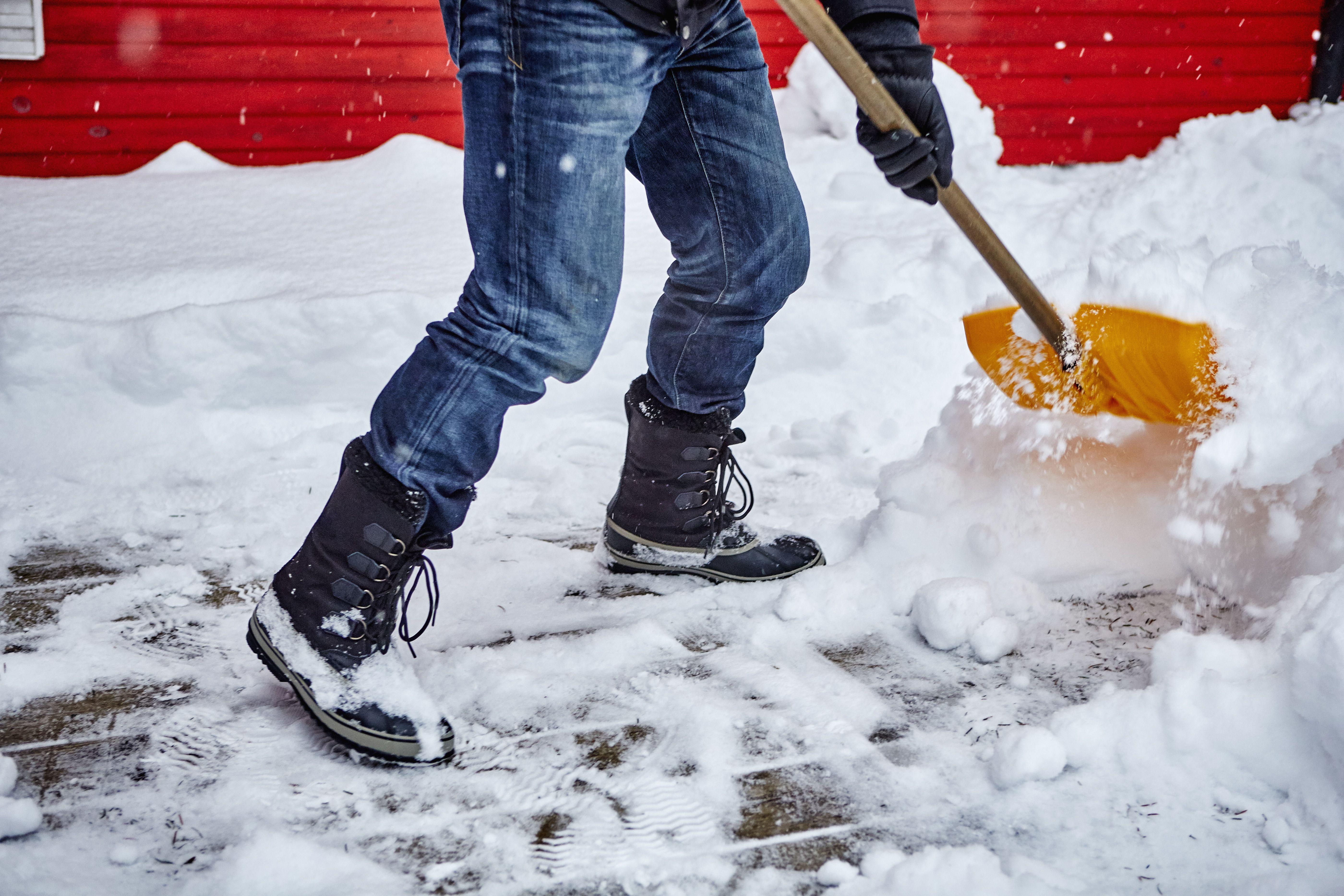
If you don’t have room in your yard for the snow, Tellone recommends shoveling it onto your own property on both sides of your driveway. “When you shovel the driveway, split the snow evenly on each side as well,” he recommends. “The idea is to keep all your snow on your property.”
Suppose you have excessive snowfall and run out of space in your own driveway. In that case, Astrella recommends an innovative alternative: placing the snow in a vacant lot near your property, if applicable. “There were two winters in Madison, WI, where we received over 100 inches of snow in the season, and it was a problem not only for us as homeowners, but even for the city,” says Astrella.
“If there’s a vacant lot near your property, and you have a snowblower, I would strongly suggest that,” he advises. “Also, if you can shovel it up and onto your property, especially if you have a side yard, that’s a great way to get it out of the street.”
Related
Tips for Shoveling Snow and Complying with Local Ordinances
To make snow removal easier while ensuring you comply with local ordinances, follow these expert tips.
- Shovel snow every three inches. “If there is a big snowstorm, it helps to shovel every three inches to make it easier to manage,” Tellone says.
- Use calcium chloride after shoveling. Tellone recommends using calcium chloride to melt any residual snow after shoveling and to prevent more buildup.
- Check with local authorities. While you should assume you can’t shovel snow into the street, Tellone says he always suggests checking with your local government to see the exact rules for your city or town.
- Keep snow away from fire hydrants. Just because you’re diligently keeping snow out of the street doesn’t mean you’re shoveling it in a safe place. Astrella reminds homeowners to keep snow piles away from fire hydrants, saying, “Firefighters can waste valuable time if they have to take a few minutes to clear a hydrant so they can hook up hoses to put out a fire.”

 Arabic
 French
 Spanish
 Portuguese
 Deutsch
 Turkish
 Dutch
Dutch
 Italiano
 Russian
 Romaian
 Portuguese (Brazil)
 Greek
Greek